

In this guide8 sections
Layering is an art form that not only enhances your comfort but also elevates your style. It’s a technique that allows you to adapt to different weather conditions while expressing your personal fashion sense. Whether you're braving chilly mornings or transitioning into warmer afternoons, layering lets you stay cosy without sacrificing your look. But how can you master this versatile trend without looking too bulky or out of balance? Let’s dive into the art of layering with style and comfort in mind.
1.Start with a Solid Base Layer
The foundation of any good layered outfit begins with the base layer. This layer serves to provide comfort and moisture-wicking properties to keep you feeling fresh and dry, especially on active days. Think of this layer as your second skin—something soft, breathable, and snug.
- Tops: A fitted long-sleeve shirt or turtleneck made from materials like cotton, merino wool, or moisture-wicking blends works wonders. Opt for neutral colours like black, grey, or white to keep it versatile.
- Bottoms: For your lower half, leggings or fitted jeans work well as they are form-fitting and comfortable. In colder weather, thermal leggings or leggings with fleece lining provide added warmth.
The key is to keep this layer lightweight, allowing for flexibility when you add on other pieces.
2.Add a Stylish Mid Layer
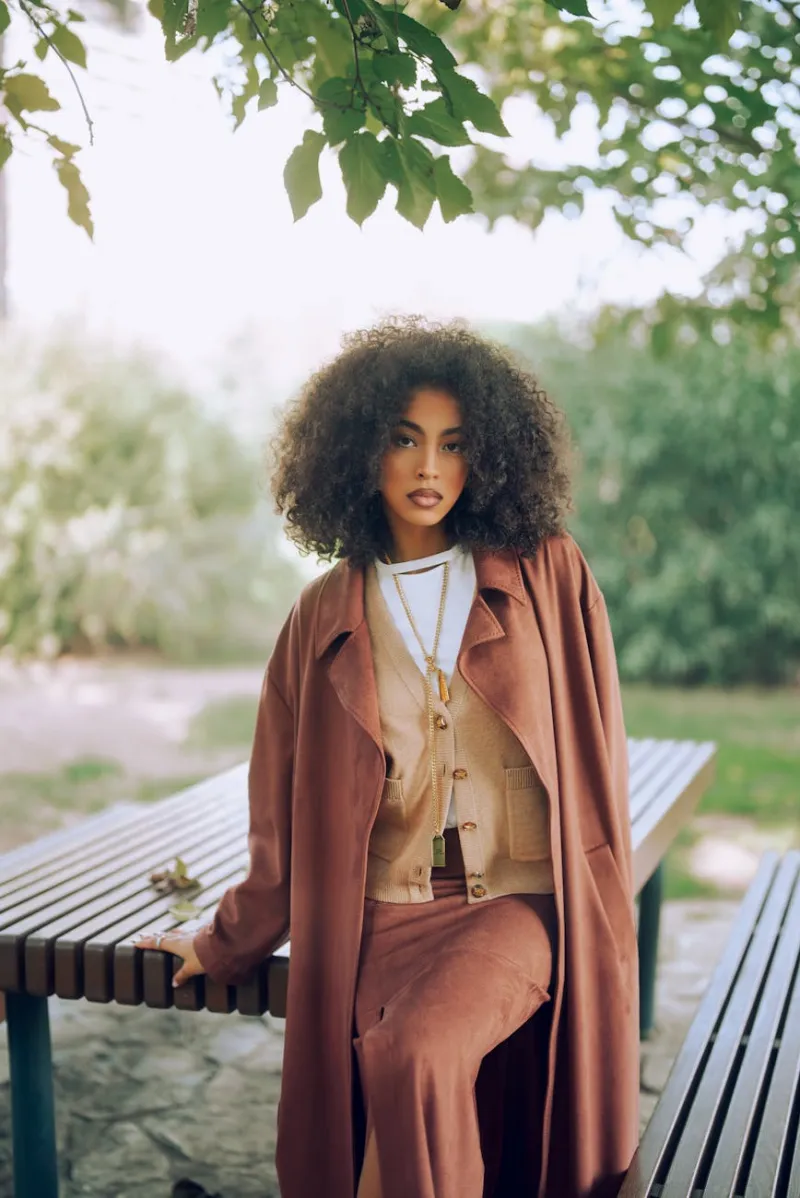
The mid-layer is where you can get creative. This is the section of your outfit that adds texture, warmth, and a bit of flair. Mid-layers should be a bit more breathable than the base layer to ensure your comfort as temperatures change throughout the day.
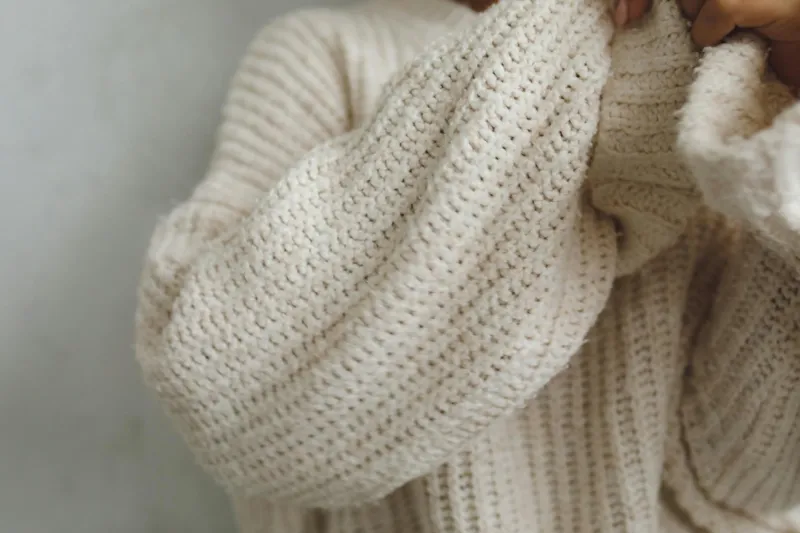
- Sweaters & Cardigans: A chunky knit sweater, a cosy cardigan, or a fleece jacket can add both warmth and a sense of style. You can choose from crewneck, turtleneck, or v-neck styles depending on your preference.
- Shirts & Tunics: Layering a button-down shirt over your base layer or under a sweater is an excellent way to mix textures. You can also try longer tunic-style tops for a more relaxed look.
- Hoodies & Sweatshirts: For a more laid-back, athleisure-inspired style, hoodies and sweatshirts can be paired with almost anything. They provide comfort and warmth without compromising your casual vibe.
When adding a mid-layer, think about how it complements your base layer. You want the pieces to look harmonious, rather than overly bulky or mismatched.
3.Introduce Outer Layers with Purpose
The outer layer is where you get to play with both fashion and function. This is the jacket, coat, or blazer that will shield you from the elements while tying your whole look together. Here’s how to make the most of your outer layer:
- Coats & Jackets: A tailored coat or a stylish trench coat is perfect for cooler weather, offering both warmth and an elegant silhouette. For colder months, consider insulated puffer jackets, parkas, or wool coats that add dimension to your outfit while keeping you cosy.
- Blazers & Cardigans: A well-fitted blazer can add a touch of sophistication to your layered look, making it ideal for both casual and professional settings. An oversized cardigan is another option that creates a relaxed yet chic style.
- Ponchos & Capes: For a more dramatic and fashion-forward look, ponchos or capes provide a sophisticated and cosy touch, especially when paired with more structured pieces underneath.
Make sure your outer layer is roomy enough to allow movement without feeling restrictive. It should also tie in with the colours and textures of your inner layers.
4.Accessorise to Enhance the Layers
Accessories are the finishing touches that can bring your layered look to life. The right accessories can add personality and practicality to your outfit, allowing you to express yourself while staying comfortable.
- Scarves: A soft scarf can add warmth and elegance. Chunky knitted scarves work well with cosy outfits, while lighter, silk scarves can add a pop of colour and texture.
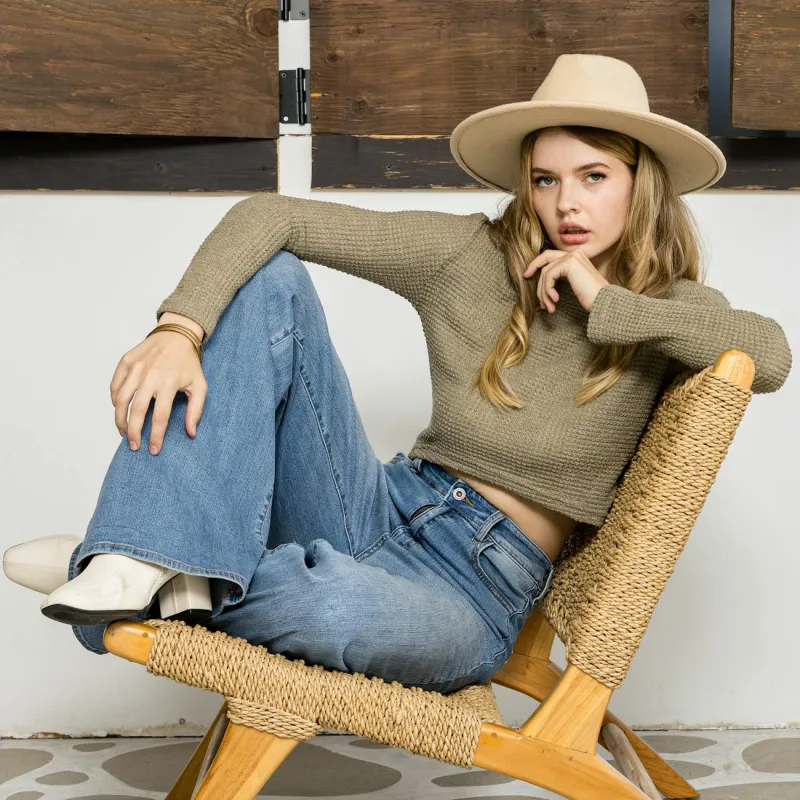
- Hats & Beanies: A stylish hat or beanie not only provides additional warmth but can also make a bold statement. Beanies are ideal for casual looks, while a fedora or beret can instantly elevate your outfit.
- Gloves & Mittens: Don’t forget about your hands! Gloves, mittens, or fingerless gloves add warmth and can contribute to the overall aesthetic of your layered look.
- Bags: A chic handbag, backpack, or crossbody bag can complete your ensemble, ensuring that you have all your essentials close by.
The key to accessorising when layering is moderation. Choose accessories that add to your overall look without overwhelming it.
5.Balance Proportions for a Streamlined Look
One of the challenges of layering is ensuring that your outfit doesn’t become too bulky. Balancing proportions is essential in creating a chic and flattering layered look.
- Top-Heavy vs. Bottom-Heavy: If you’re wearing a voluminous outer layer, balance it out with more fitted pieces on the bottom, such as skinny jeans or leggings. Similarly, if you’re sporting a wide-leg pant or oversized skirt, keep your top more tailored.
- Layer Thickness: Keep your layers thin and breathable to avoid feeling weighed down. This doesn’t mean sacrificing warmth, though—choose quality materials that provide insulation without bulk, such as merino wool or fleece-lined fabrics.
- Length Variation: Experiment with varying lengths to create visual interest. A long coat with a shorter sweater or a cropped jacket over a longer shirt can create a flattering, well-proportioned silhouette.
6.Mix Textures and Colours with Confidence
When layering, combining different textures and colours can bring your outfit to life. Don’t be afraid to mix materials like denim, leather, wool, and cotton to create depth in your look. However, it’s essential to maintain balance by sticking to a cohesive colour palette.
- Neutral Tones: If you’re uncertain, start with neutral colours like black, grey, beige, or navy. These colours pair well together and can be easily accessorised with pops of colour.
- Bold Pops of Colour: Layering gives you the opportunity to experiment with bold colours. Try pairing a vibrant sweater with a neutral jacket or opt for patterned scarves and hats that complement your layered outfit.
7.Seasonal Considerations
The weather plays a significant role in how you layer, so adjust your layers according to the season. In colder months, prioritise warmth by layering thicker fabrics, and in warmer months, opt for breathable materials to keep you comfortable while still achieving the layered look.
Conclusion
Layering is about more than just staying warm—it’s an opportunity to get creative with your wardrobe and express your personality through fashion. By mastering the art of layering, you can seamlessly combine comfort with style, adapting your outfit to different environments while looking effortlessly chic. Embrace the versatility that layering provides and experiment with different combinations of textures, colours, and accessories to make each layer count. When done right, layered looks can be a true reflection of your unique style and confidence.