

In this guide3 sections
Renewable and alternative energy sources have gained popularity in recent years as the world seeks to transition to more sustainable and eco-friendly energy options. Understanding the various types of renewable energy available can help individuals make informed choices about their energy consumption and reduce their carbon footprint. In this article, we will explore the different forms of renewable and alternative energy and discuss their benefits and implications.
Renewable Energy Sources
Renewable energy sources are derived from natural processes that are constantly replenished, making them a sustainable choice for power generation. These sources include solar power, wind energy, hydropower, geothermal energy, and biomass energy.
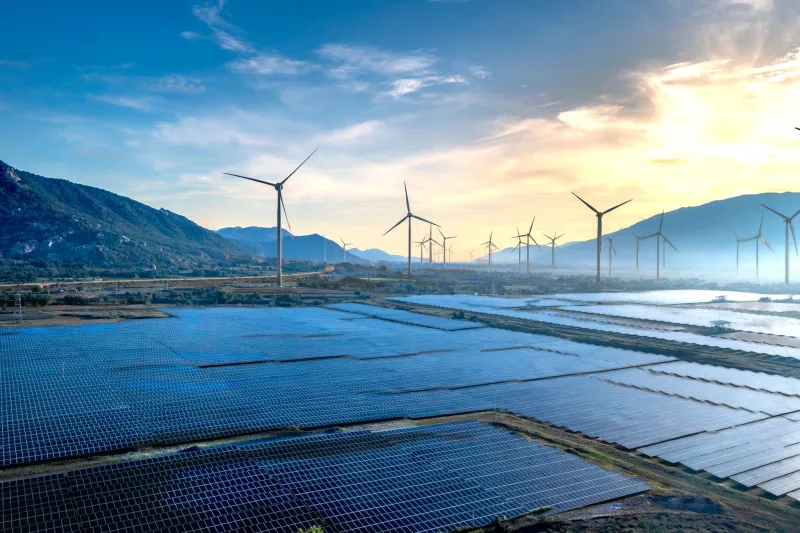
Solar power is one of the most widely used forms of renewable energy. Solar panels capture sunlight and convert it into electricity, offering a clean and abundant source of power. Installing solar panels on rooftops or in open spaces can help reduce reliance on fossil fuels and lower electricity bills.
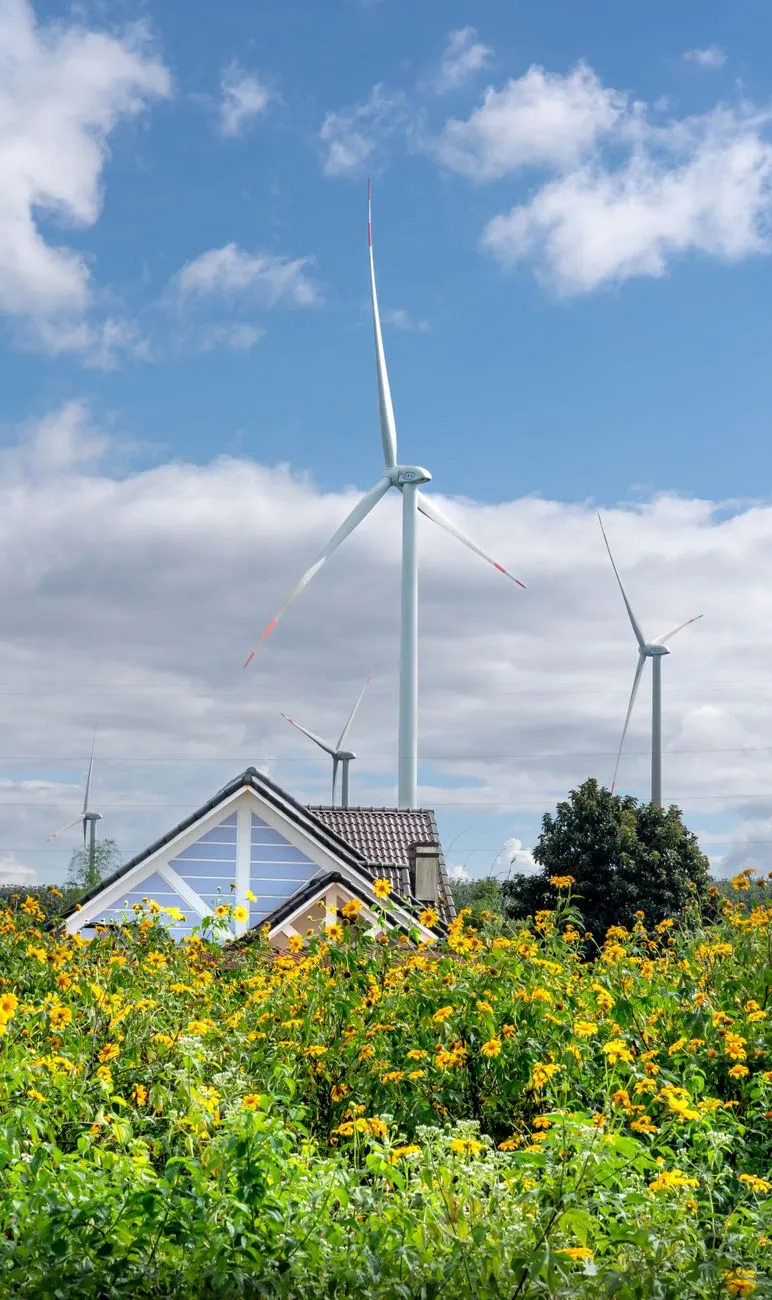
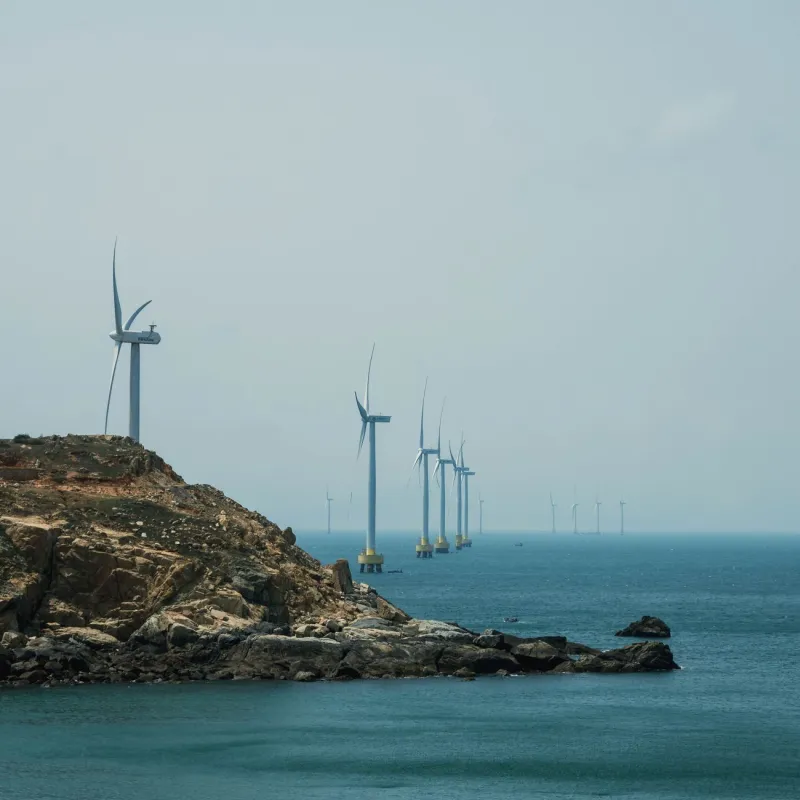
Wind energy is another popular renewable energy source that harnesses the power of the wind to generate electricity. Wind turbines convert the kinetic energy of the wind into mechanical power, which is then transformed into electricity. Wind farms can be found both onshore and offshore, providing a clean and consistent energy source.
Hydropower utilizes the energy of flowing water to generate electricity. Dams and reservoirs are used to capture the energy of rivers and streams, converting it into power through turbines. Hydropower is a reliable and efficient form of renewable energy that can supply electricity to large areas.
Geothermal energy taps into the heat below the Earth's surface to produce electricity and heat buildings. This renewable energy source is highly sustainable and can provide a constant and reliable source of power with minimal environmental impact.
Biomass energy is derived from organic materials such as wood, crops, and waste products. These materials are burned to produce heat or electricity, offering a renewable alternative to fossil fuels. Biomass energy can help reduce waste and promote a circular economy by utilizing organic matter for energy production.
Alternative Energy Sources
Alternative energy sources refer to non-traditional ways of producing energy that are cleaner and more sustainable than conventional methods. These sources include nuclear power, tidal energy, and hydrogen fuel cells.
Nuclear power generates electricity through nuclear reactions that release large amounts of energy. While nuclear power is considered a low-carbon energy source, concerns about radioactive waste disposal and reactor safety have led to debates about its role in the future energy mix.
Tidal energy harnesses the motion of ocean tides to generate electricity. Tidal power plants are typically located near coastlines where tidal movements are strong, providing a predictable and renewable source of energy. Tidal energy can help reduce greenhouse gas emissions and mitigate climate change effects.
Hydrogen fuel cells produce electricity by combining hydrogen with oxygen, with the only byproduct being water vapor. Fuel cells are a clean and efficient way to generate power for vehicles, buildings, and electronic devices. Hydrogen fuel cells offer a versatile and eco-friendly alternative to traditional combustion engines.
Conclusion
As the demand for clean and sustainable energy grows, renewable and alternative energy sources are becoming increasingly important in our energy transition. By investing in solar power, wind energy, hydropower, geothermal energy, and other renewable resources, we can reduce our carbon footprint and contribute to a greener future. Embracing eco-friendly energy solutions is essential for combating climate change and preserving the planet for future generations.