


In recent years, probiotics have gained significant attention for their potential health benefits, touted as natural allies in promoting gut health and overall well-being. These live microorganisms, often referred to as "good bacteria," are believed to play a crucial role in maintaining a balanced microbial environment in the digestive system. Here, we delve into the science behind probiotics, exploring their mechanisms and the benefits they offer.
Probiotics are live microorganisms, primarily bacteria but also some yeasts, that confer health benefits when consumed in adequate amounts. They are naturally found in certain foods and supplements, where they are added to enhance their beneficial properties. The most common types of probiotics belong to the Lactobacillus and Bifidobacterium genera, though other strains may also offer health benefits.
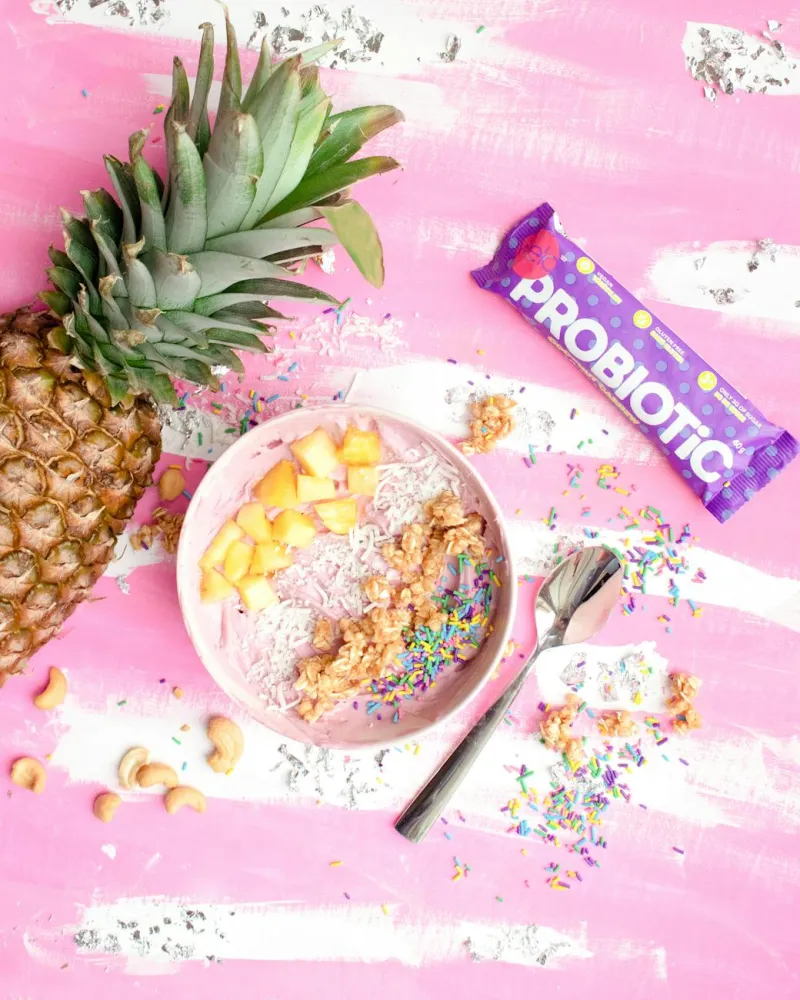
The human gut is home to trillions of microorganisms, collectively known as the gut microbiota. This complex ecosystem plays a crucial role in digestion, immune function, and even mental health. Probiotics work by supplementing this microbial community, helping to maintain a diverse and balanced microbiota composition.
When consumed, probiotics can:
- Compete with Harmful Bacteria: Probiotics may inhibit the growth of harmful bacteria by competing for nutrients and adhesion sites in the gut lining.
- Enhance Gut Barrier Function: They help strengthen the intestinal barrier, reducing the permeability of the gut lining and preventing the entry of toxins into the bloodstream.
- Modulate Immune Response: Probiotics interact with the immune cells in the gut-associated lymphoid tissue (GALT), potentially influencing immune response and inflammation levels.
- Produce Beneficial Substances: Some probiotic strains can produce short-chain fatty acids and other compounds that nourish the gut lining and support overall digestive health.
Research suggests that incorporating probiotics into your diet may offer several health benefits, including improved digestive health, enhanced immune function, support for mental health, and management of skin conditions like eczema and acne. Choosing the right probiotic involves considering factors such as strain specificity, viability, and purpose, whether it's digestive support, immune enhancement, or other benefits.
To reap the potential benefits of probiotics, incorporate them into your daily routine through yogurt and fermented foods like kefir, sauerkraut, and kimchi, or by using probiotic supplements in various forms like capsules, powders, or liquids. Probiotics represent a promising area of research in the quest for improved wellness, offering beneficial bacteria that can enhance digestive health, support immune function, and potentially improve overall well-being.