

In this guide6 sections
Are you familiar with the signs that indicate it's time to swap out your old tires for a fresh set? Your vehicle's tires are more than just round rubber components that keep your car moving. They are critical for your safety, performance, and comfort on the road. Knowing when to change tires is essential to ensure that you stay safe and maintain good driving conditions. Let's delve into some tire replacement signs that you should look out for to determine when it's time to retire your current tires.
Check Tire Tread Depth
One of the most common ways to determine if your tires need replacing is by checking the tread depth. The tread on your tires plays a critical role in maintaining traction on the road, especially in wet or slippery conditions. An easy method to check tire tread depth is by using a penny. Insert a penny into the tread with Lincoln’s head facing down. If you can see the top of Lincoln's head, it's time to replace your tires.
Inspect Tire Wear Patterns
Uneven tire wear can be a sign of alignment issues, suspension problems, or even over or under-inflation of your tires. Regularly inspect your tires for unusual wear patterns such as cupping, scalloping, or bald spots. If you notice any of these patterns, it's a clear indicator that your tires are not wearing evenly and may need to be replaced.
Look for Cracks on the Tire Sidewall
Cracks on the sidewall of your tires can be a red flag that they are reaching the end of their lifespan. Exposure to the elements, extreme temperatures, and UV radiation can cause the rubber to deteriorate over time, leading to cracks on the tire sidewall. If you spot any cracks, it's best to have your tires inspected by a professional to determine if they are still safe to use.
Consider Tire Age
While mileage is a common metric used to determine when to change tires, tire age is equally important. Tires have a limited lifespan due to rubber degradation, regardless of the amount of tread remaining. As a general rule of thumb, tires should be replaced every 6 to 10 years, even if they appear to be in good condition. Check the manufacturer date on the tire sidewall to determine the age of your tires.
Maintain Regular Tire Safety Inspections
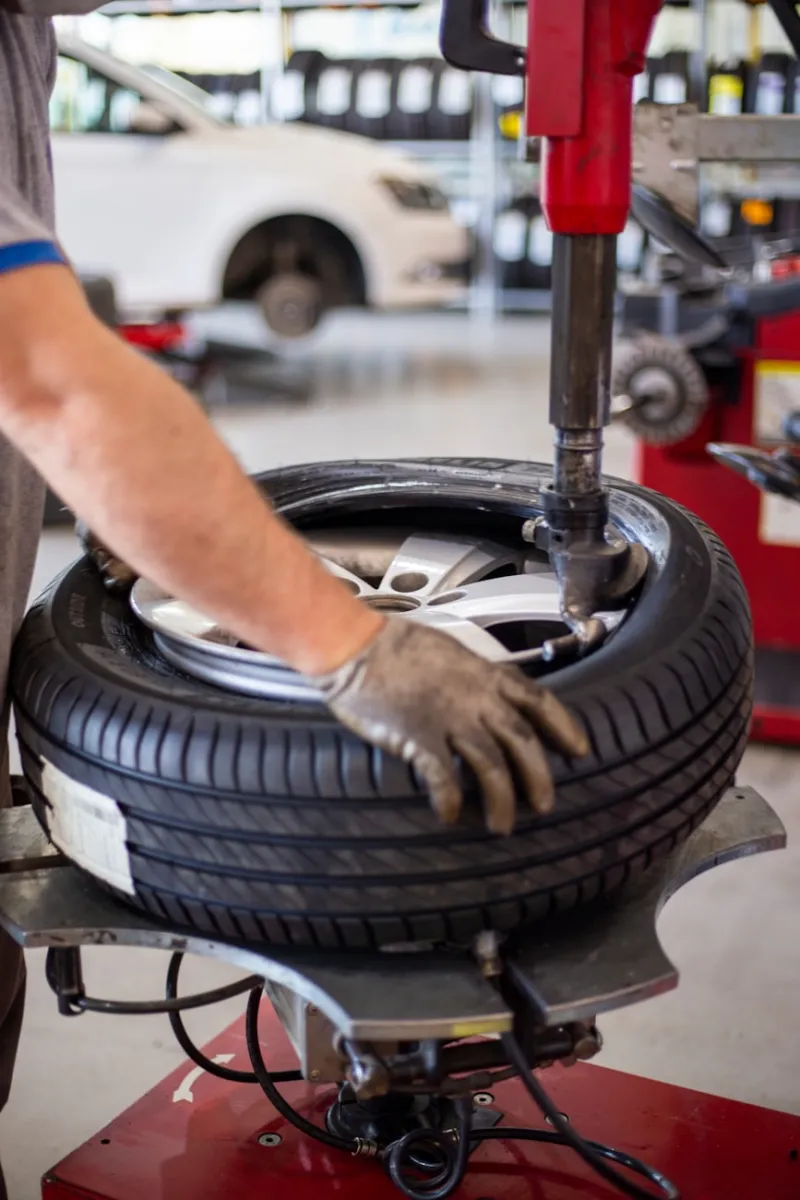
To ensure your tires are in optimal condition, it's crucial to conduct regular tire safety inspections. This includes checking tire pressure, alignment, balance, and overall condition. By staying proactive with tire maintenance, you can prolong the lifespan of your tires, improve fuel efficiency, and enhance safety while driving.
Final Thoughts
Your tires are a vital component of your vehicle, impacting everything from handling and braking to fuel efficiency and comfort. By familiarizing yourself with the signs indicating when to change tires, you can prioritize safety and performance on the road. Keep an eye out for tire replacement signs such as tread depth, wear patterns, sidewall cracks, tire age, and regular inspections to ensure that your tires are always road-ready.
Remember, replacing old tires when necessary is an investment in your safety and driving experience. By following these tire maintenance tips and knowing how to identify when your tires are ready for retirement, you can drive with confidence and peace of mind knowing that you are taking the necessary steps to keep your vehicle safe and reliable.