

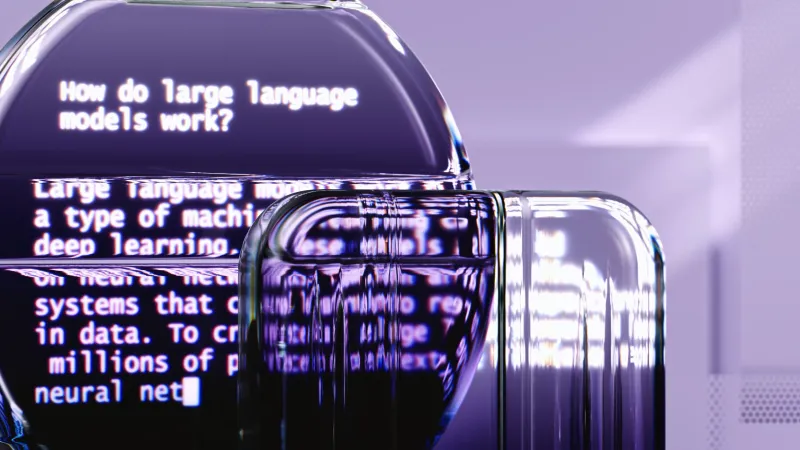

The use of artificial intelligence in our daily lives has become more prevalent than ever before, with smart solutions making tasks easier and more efficient. From AI productivity tools to intelligent home technology, the benefits of artificial intelligence are endless.
Artificial intelligence, often referred to as AI, is a technology that enables machines to learn from experience, adapt to new information, and perform tasks that typically require human intelligence. In action, AI is revolutionising the way we live and work, providing smart solutions for everyday life.
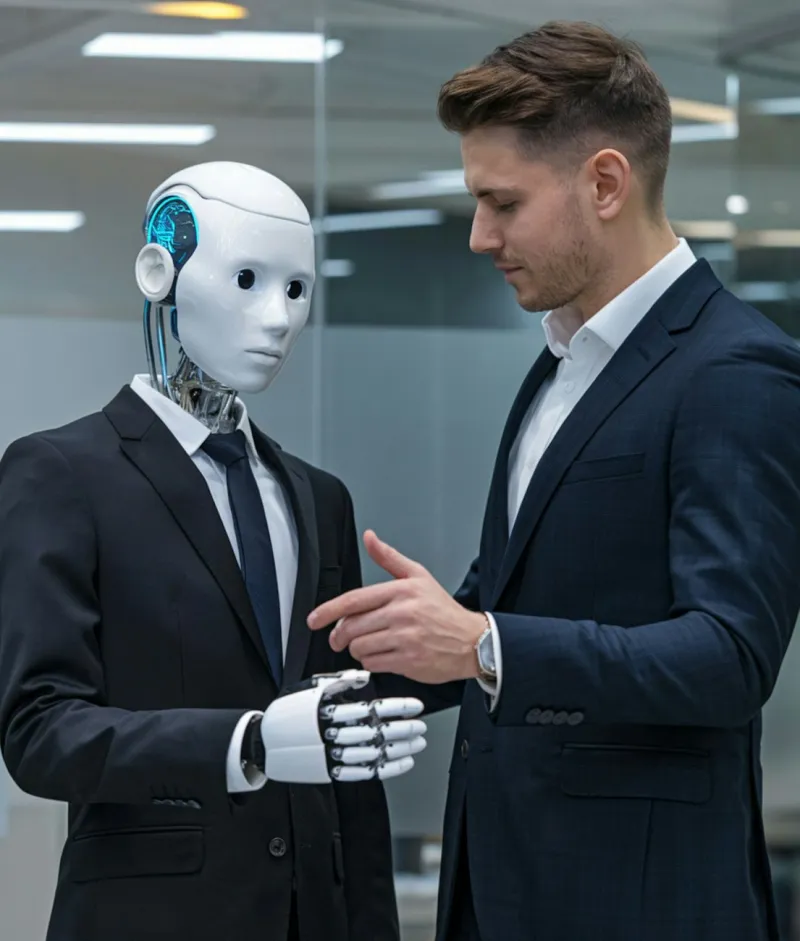
One of the most common applications of artificial intelligence in everyday life is through AI personal assistants. These virtual assistants, such as Siri, Alexa, and Google Assistant, are capable of understanding natural language and executing tasks based on verbal commands. They can help users set reminders, schedule appointments, play music, answer questions, and even control smart home devices.
AI personal assistants have become integral to many people’s daily routines, streamlining tasks and enhancing productivity. Whether it’s managing your calendar, sending emails, or providing weather updates, these smart AI solutions make life easier and more organised.
Another way artificial intelligence impacts daily life is through intelligent home technology. Smart devices like thermostats, security cameras, and lighting systems utilise AI to learn your preferences and adjust settings accordingly. For example, smart thermostats can analyse your usage patterns and automatically regulate temperature settings to optimise energy efficiency.
Moreover, AI-powered security cameras can detect and alert you to unusual activity, providing an extra layer of protection for your home. These intelligent home technologies not only enhance convenience but also contribute to a more secure and energy-efficient living environment.
Artificial intelligence is also prevalent in the workplace, with AI productivity tools transforming how we work and collaborate. From email categorisation and automated scheduling to data analysis and report generation, AI tools streamline mundane tasks, allowing employees to focus on higher-value activities.
For instance, AI-powered project management platforms can help teams prioritise tasks, allocate resources efficiently, and track progress in real-time. By leveraging AI productivity tools, businesses can boost operational efficiency, reduce manual errors, and foster innovation in the workplace.
Furthermore, artificial intelligence has paved the way for smart technology in various industries, from healthcare and finance to transportation and retail. AI-driven applications, such as predictive analytics, personalised recommendations, and autonomous vehicles, are revolutionising traditional processes and delivering enhanced services to consumers.
In healthcare, AI algorithms can analyse medical images, predict disease outbreaks, and personalise treatment plans based on patient data. In finance, AI-powered chatbots can provide customer support, detect fraud, and offer personalised financial advice. These applications demonstrate the diverse capabilities and potential impact of artificial intelligence across different sectors.
In conclusion, artificial intelligence is not just a futuristic concept but a present reality that is reshaping how we interact with technology and the world around us. By integrating smart AI solutions into our everyday lives, we can improve efficiency, enhance convenience, and unlock new possibilities for innovation and growth.