



In today's fast-paced digital world, our reliance on computers has never been greater. Whether for work, entertainment, or communication, our PCs play a crucial role in our daily lives. However, if you've noticed your computer slowing down over time, you're not alone. This common phenomenon can be attributed to silicon exhaustion and hardware aging.
When you first bought your computer, it probably felt lightning-fast and responsive. Tasks that once took minutes to complete were done in seconds. However, as time goes by, you may have started experiencing a noticeable decline in performance. This decrease in speed is often referred to as PC slowdown, and it can be frustrating to deal with.
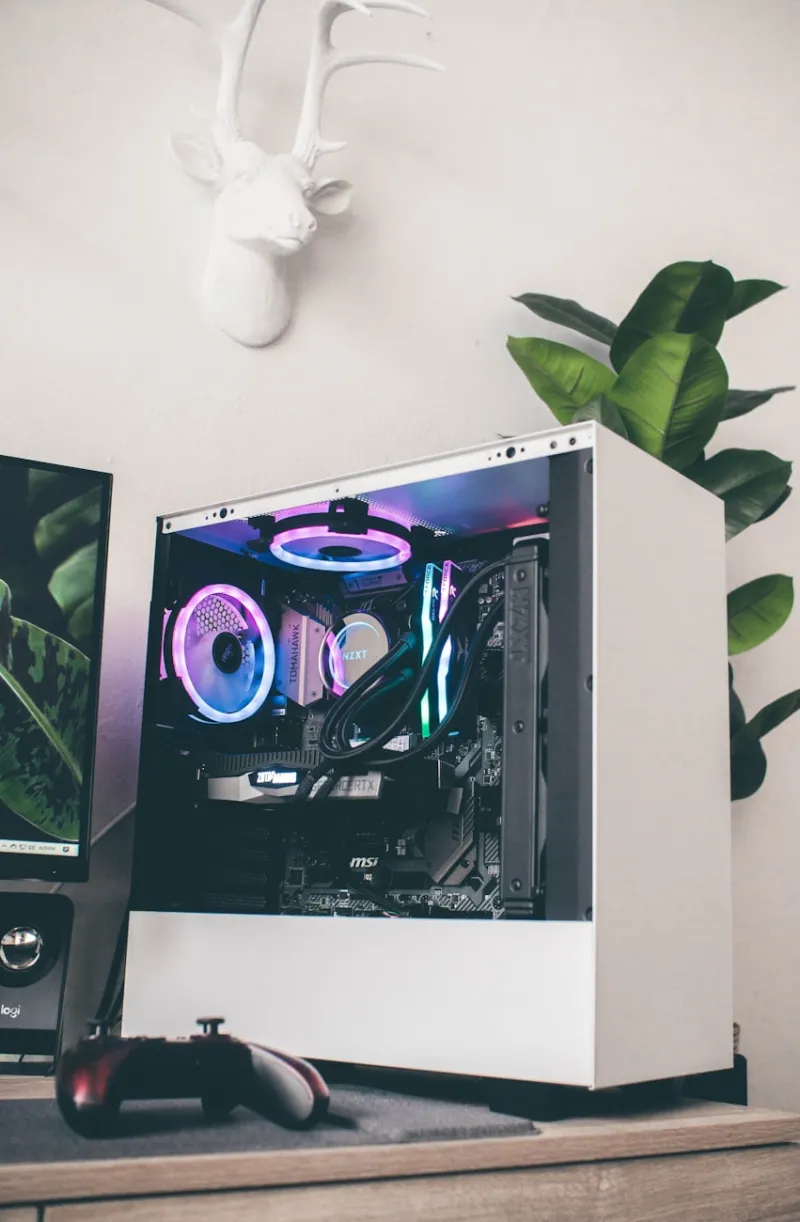
One of the main reasons behind this slowdown is silicon degradation. Silicon is a key component of the microchips that power your computer, including the CPU. Over time, constant use and exposure to heat can cause the silicon in these chips to degrade. This degradation can lead to decreased performance, as the chips struggle to process information as efficiently as they did when they were new.
Another factor that contributes to your computer's slowdown is hardware aging. Just like any other electronic device, your computer's components will deteriorate over time. This can result in issues such as CPU throttling and thermal throttling, where the processor reduces its speed to prevent overheating. These mechanisms are designed to protect your hardware but can also lead to a decrease in performance.
So, what can you do to prevent silicon exhaustion and hardware aging from slowing down your computer? The good news is that there are steps you can take to optimize your system and speed up your PC.
One of the most effective ways to fix a slow computer is to perform regular maintenance. This includes tasks such as cleaning out dust and debris from your computer's vents and fans, updating your operating system and drivers, and running disk cleanup and defragmentation utilities.
Additionally, you can optimize your computer's performance by managing startup programs and services. Many applications automatically launch when you start your computer, which can slow down the boot process. By disabling unnecessary startup items, you can help improve your system's speed.
If you're comfortable with more advanced techniques, you can also consider upgrading your hardware. Adding more RAM, installing a solid-state drive (SSD), or upgrading your CPU can significantly boost your computer's performance and extend its lifespan.
By taking proactive steps to maintain and optimize your computer, you can help prevent silicon exhaustion and hardware aging from affecting its performance. Whether you're dealing with CPU throttling, thermal throttling, or simply a sluggish system, there are solutions available to help you speed up your PC and enjoy a smoother computing experience.
Remember, a little maintenance goes a long way when it comes to keeping your computer running at its best. By staying proactive and taking care of your hardware, you can ensure that your PC remains fast and responsive for years to come.