

In this guide7 sections
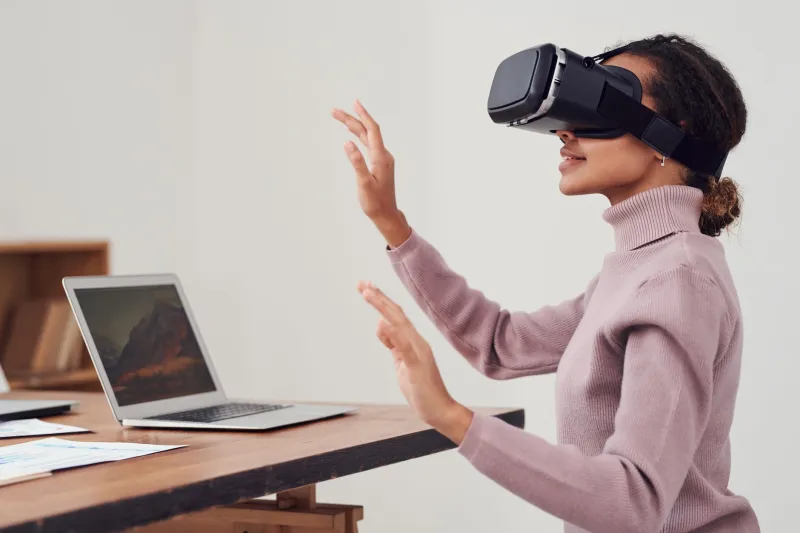
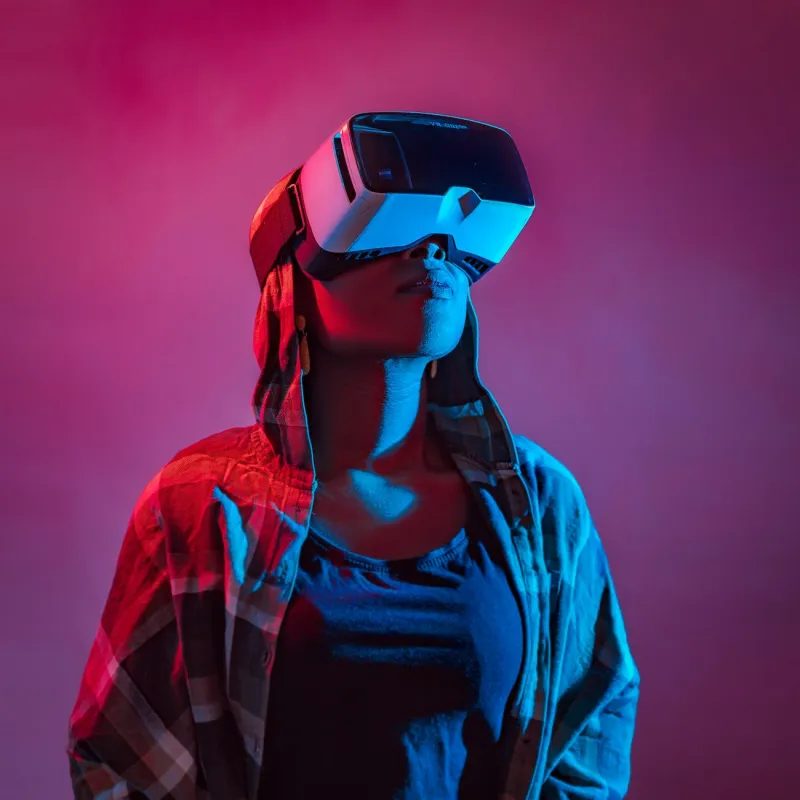
Virtual reality (VR) has revolutionized the gaming industry, offering immersive experiences that transport players into incredible virtual worlds. Whether you're a casual gamer or a hardcore enthusiast, selecting the right VR headset is crucial to enhancing your gaming experience. With the ever-growing market and numerous options available, it's important to keep your eyes wide open during the selection process. Let's explore the key factors to consider when choosing the ultimate VR headset for your reality.
Display and Resolution
The quality of the display and resolution is a crucial aspect of any VR headset. Higher-resolution displays provide sharper and more detailed visuals, leading to a more realistic and enjoyable experience. Look for headsets that offer a minimum resolution of 1080x1200 per eye, as this ensures a decent level of clarity. Additionally, consider the type of display technology used, such as OLED or LCD, as this can affect color reproduction and contrast levels.

Field of View
The field of view (FoV) refers to the extent of the virtual world that is visible to the user. A wider field of view enhances immersion by expanding your peripheral vision, making the virtual world feel more natural. Seek headsets that offer a broad field of view, ideally around 100 degrees or more, for a truly captivating gaming experience.
Comfort and Fit
Since gaming sessions can be lengthy, it's important to choose a VR headset that prioritizes comfort and a secure fit. Look for headsets that offer adjustable straps, cushioned padding, and ergonomic designs to minimize discomfort during extended play sessions. Additionally, consider the weight of the headset, as a heavier device may strain your neck and limit your gaming enjoyment.
Tracking Technology
The tracking technology of a VR headset determines how accurately it can detect your movements and translate them into the virtual world. The two main types of tracking systems are inside-out and outside-in. Inside-out tracking uses built-in sensors on the headset to track your movements, while outside-in tracking relies on external cameras or sensors placed in the room. Consider your gaming environment and preferences when choosing between these tracking technologies.
Controllers
Controllers play a vital role in VR gaming, as they allow you to interact with the virtual world. When selecting a VR headset, pay attention to the controllers that come with it. Look for controllers that are easy to use, ergonomic, and offer accurate tracking. Some headsets even offer hand-tracking technology, eliminating the need for controllers altogether.
Compatibility and Ecosystem
Ensure that the VR headset you choose is compatible with your gaming platform of choice. Some headsets are specifically designed for certain platforms, such as PC, PlayStation, or mobile devices. Additionally, consider the availability of content and games within the VR headset's ecosystem. A robust ecosystem with a wide range of titles ensures that you have a diverse and engaging library of games to choose from.
Price
Lastly, consider your budget when selecting a VR headset. The price range for VR headsets can vary significantly, so it's essential to determine your spending limit. Remember that expensive doesn't always mean better, as there are affordable options that provide a fantastic VR experience. However, ensure that you strike a balance between quality and affordability when making your final decision.
In conclusion, when it comes to selecting the ultimate VR headset for your reality, keep your eyes wide open. Consider factors such as display and resolution, field of view, comfort and fit, tracking technology, controllers, compatibility and ecosystem, and price. By carefully evaluating these aspects, you can make an informed decision that will elevate your virtual gaming experiences to new heights.