

In this guide5 sections
Earplugs are a common item found in households around the world. Whether you use them for sleeping, studying, or attending loud events, earplugs are known for their ability to block out noise and protect your ears. However, there are several myths surrounding earplugs that may be misleading or confusing. In this article, we'll debunk the top myths about earplugs and provide you with the real information you need to know.
1.Myth: Earplugs are only for blocking out noise
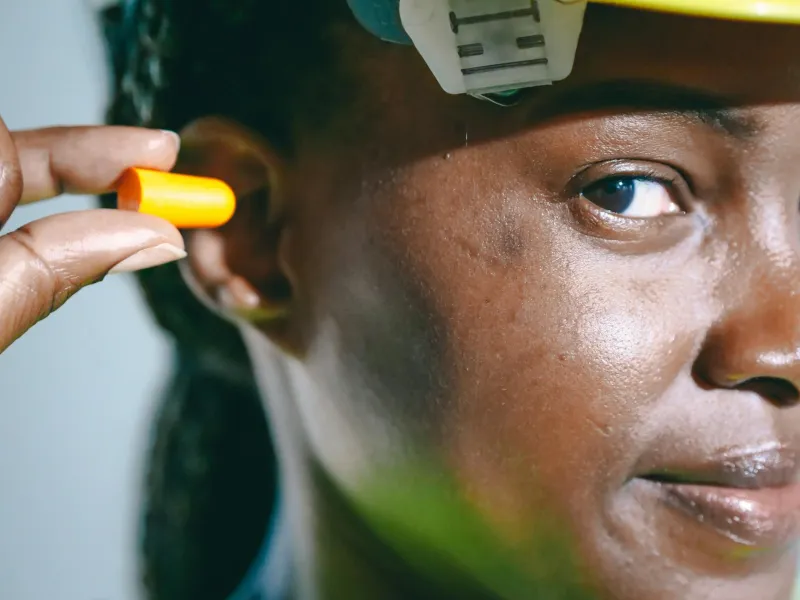
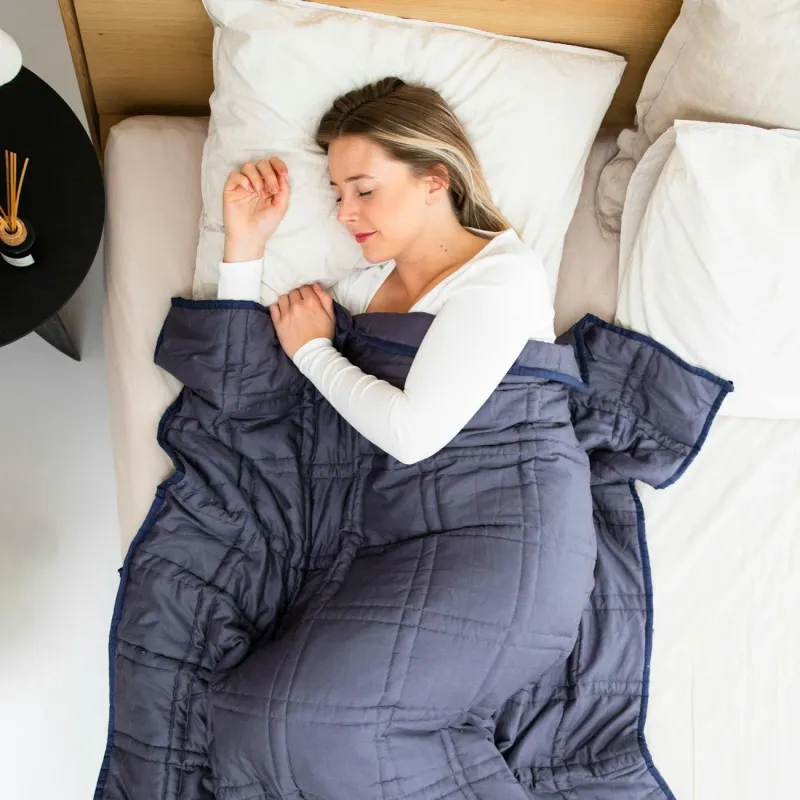
While earplugs are commonly used to block out noise, they serve other purposes as well. For example, swimmers use earplugs to prevent water from entering their ears, which can help reduce the risk of infections. Musicians and concert-goers often use earplugs to protect their ears from loud noises that can cause hearing damage. Additionally, earplugs can be used to help individuals with sensitivity to sound or those who have trouble sleeping in noisy environments.
2.Myth: Earplugs are all the same
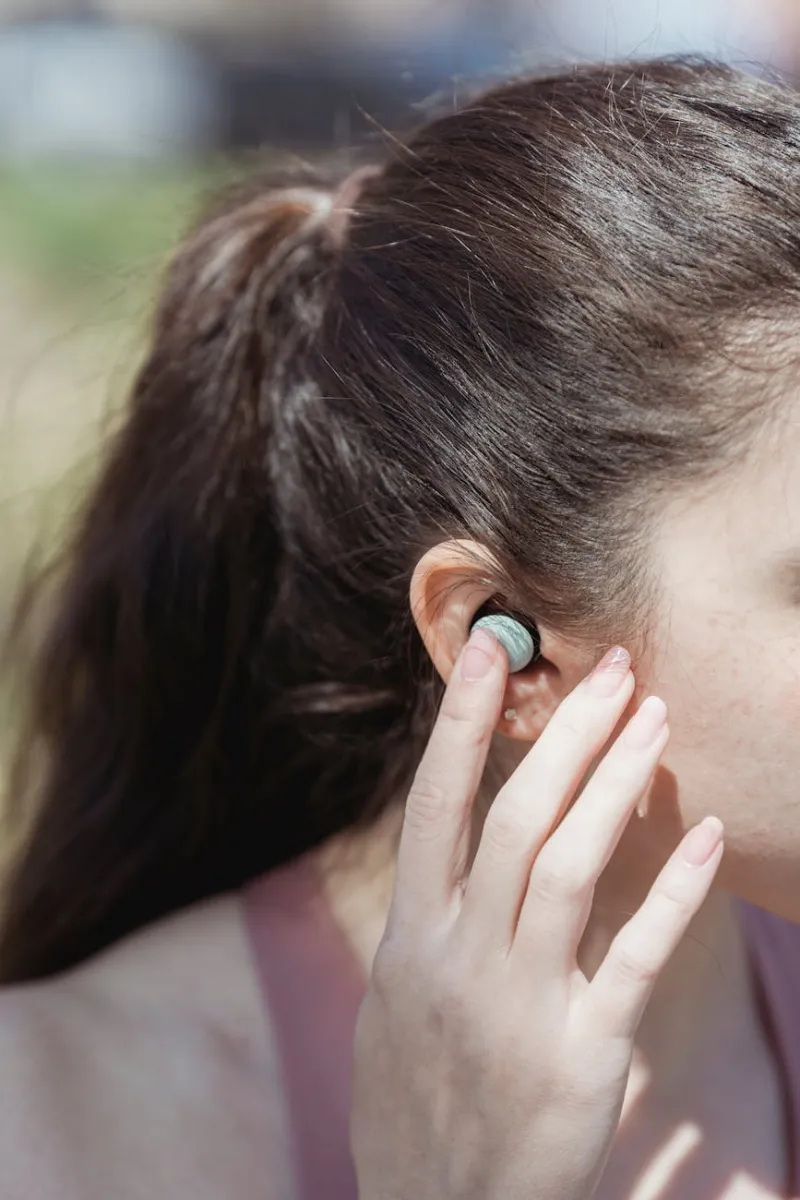
There are many different types of earplugs available on the market, each designed for specific purposes. Foam earplugs are popular for their affordability and comfort, while silicone earplugs are moldable and reusable. There are also specialised earplugs for musicians, swimmers, and individuals with different ear shapes and sizes. It's essential to choose the right type of earplug for your needs to ensure proper protection and comfort.
3.Myth: Earplugs are one-size-fits-all
Contrary to popular belief, earplugs are not one-size-fits-all. Everyone has a unique ear shape and size, which means that not all earplugs will fit correctly or provide adequate protection. It's essential to try different types and sizes of earplugs to find the one that fits your ears securely and comfortably. Ill-fitting earplugs may not provide the desired level of noise reduction and could cause discomfort or irritation.
4.Myth: Extended use of earplugs can cause ear damage
While it's true that improper use of earplugs can lead to ear damage, using earplugs correctly and responsibly is generally safe. It's crucial to follow the manufacturer's instructions for how long to wear earplugs and how to insert and remove them properly. Regularly cleaning and replacing earplugs can also help prevent ear infections and other issues. If you experience pain, discomfort, or hearing changes while using earplugs, it's essential to discontinue use and consult a healthcare professional.
5.Myth: Earplugs are uncomfortable to wear
While some people may find earplugs uncomfortable to wear, especially if they are not the right size or type for their ears, many individuals find earplugs to be comfortable and effective. With the variety of earplug options available, you can choose a style that works best for your needs and preferences. Trying different earplug materials, shapes, and sizes can help you find a comfortable fit that allows you to wear earplugs for extended periods without irritation.
Now that you have a better understanding of the top myths about earplugs, you can make informed decisions about using earplugs for noise protection, water prevention, or other purposes. Remember to choose the right type and size of earplug for your needs, follow proper usage guidelines, and prioritise your ear health and comfort.