

In this guide6 sections
Lighting plays a crucial role in creating ambiance, enhancing productivity, and improving functionality within a space. Whether you're designing a home, office, or commercial establishment, selecting the right type of lamps is essential for achieving your desired lighting goals. In this comprehensive guide, we'll delve into the various types of lamps available, from ambient to task lighting, to help you make informed decisions for your lighting needs.
1.Ambient Lighting
Ambient lighting, also known as general lighting, provides overall illumination to a room, creating a comfortable and inviting atmosphere. This type of lighting serves as the foundation for a well-lit space and is typically achieved through overhead fixtures, wall-mounted sconces, or recessed lighting. Ambient lighting should be evenly distributed throughout the room to minimize shadows and glare, ensuring a pleasant environment for various activities.
2.Task Lighting
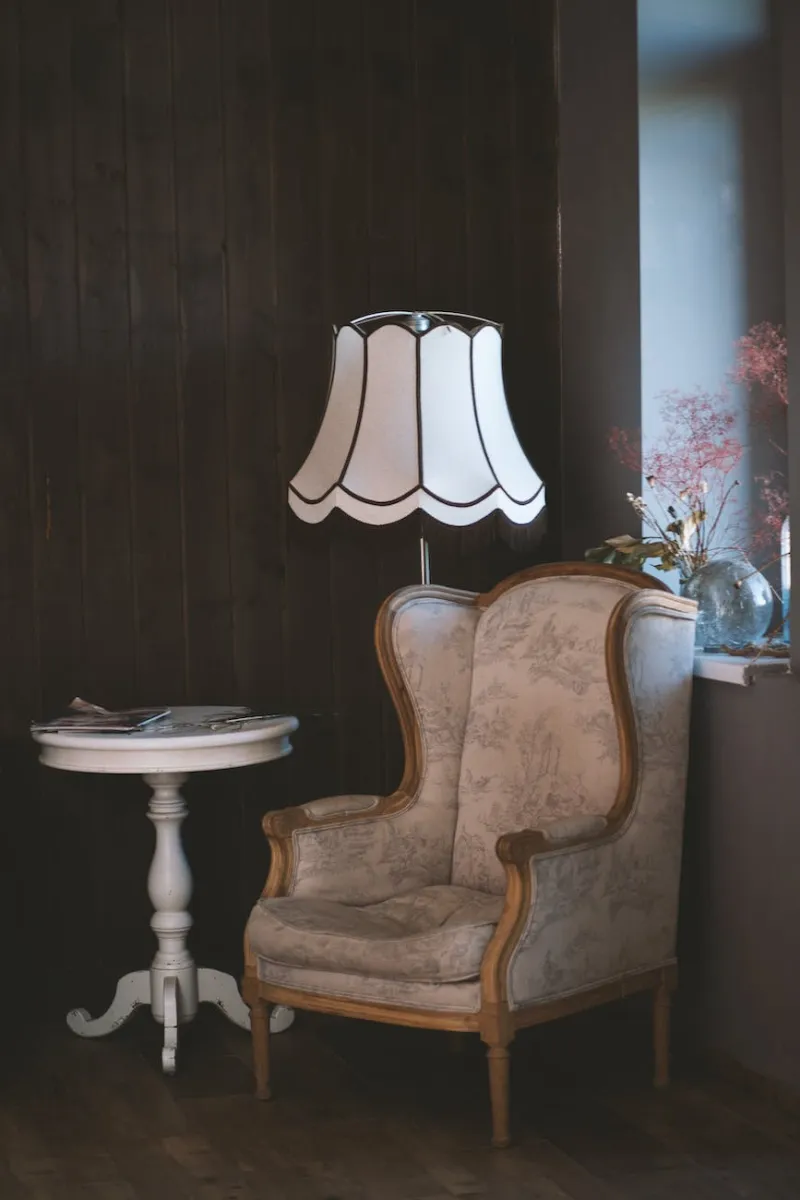
Task lighting is designed to illuminate specific areas where activities such as reading, cooking, or working take place. Unlike ambient lighting, which provides general illumination, task lighting focuses light on particular tasks, enhancing visibility and reducing eye strain. Common examples of task lighting fixtures include desk lamps, under-cabinet lights in kitchens, and adjustable floor lamps in living rooms. When selecting task lighting, consider factors such as brightness, color temperature, and flexibility to ensure optimal performance for the intended task.
3.Accent Lighting
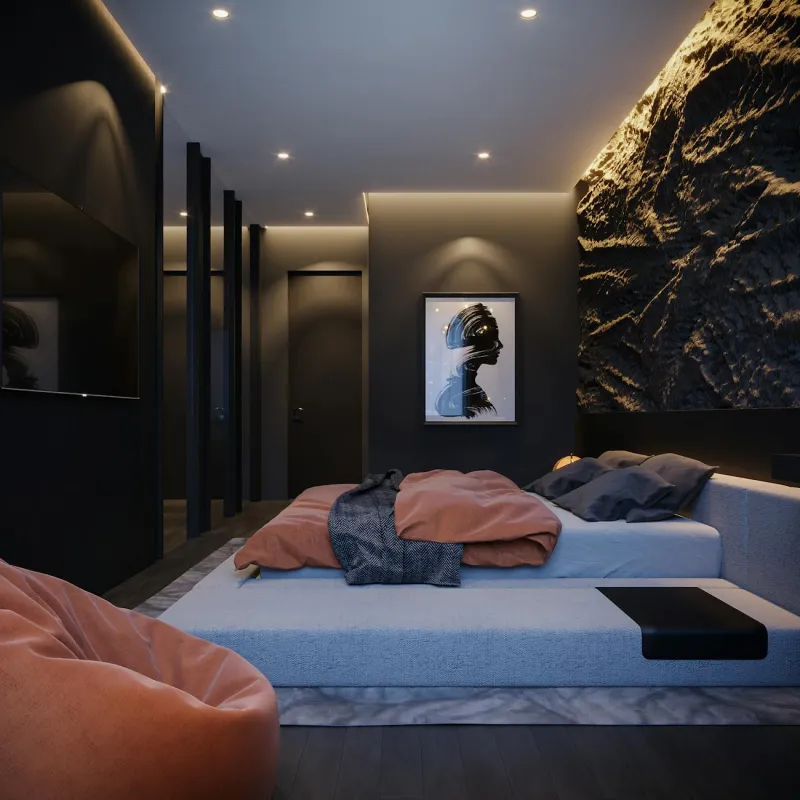
Accent lighting is used to highlight architectural features, artwork, or decorative elements within a space, adding visual interest and depth to the overall design. This type of lighting creates focal points and enhances the aesthetic appeal of a room by directing attention to specific areas or objects. Accent lighting fixtures may include track lighting, wall-mounted spotlights, or picture lights, allowing for precise control over the direction and intensity of light. When implementing accent lighting, experiment with different angles and intensities to achieve the desired effect while complementing the overall lighting scheme.
4.Decorative Lighting
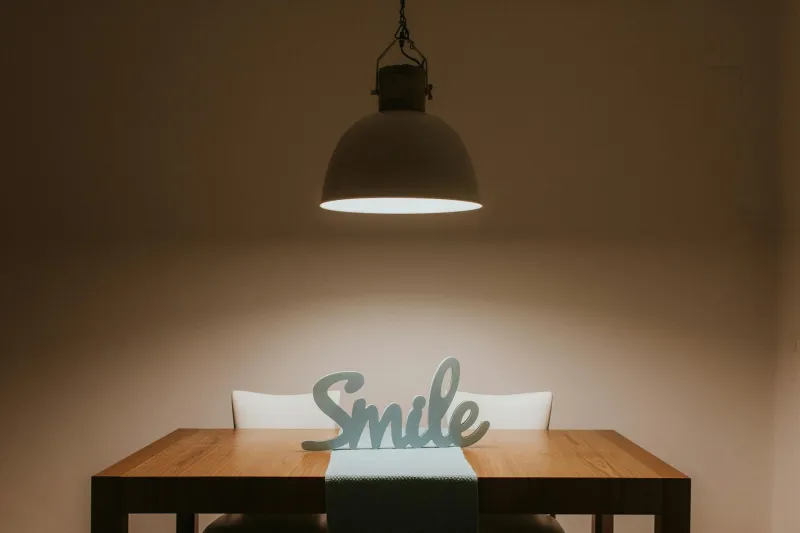
Decorative lighting serves both functional and aesthetic purposes, adding style and personality to a room's décor. These fixtures often serve as focal points themselves, making a statement and contributing to the overall design theme. Decorative lighting encompasses a wide range of styles, including chandeliers, pendant lights, and wall sconces, each offering unique shapes, materials, and finishes to suit various design preferences. When incorporating decorative lighting into your space, consider factors such as scale, proportion, and compatibility with existing décor to create a cohesive look that enhances the overall ambiance.
5.Natural Lighting
Natural lighting, derived from sunlight, is an essential element in interior design, offering numerous health and wellness benefits. Sunlight not only provides ample illumination but also helps regulate circadian rhythms, improve mood, and enhance productivity. Maximizing natural light through strategically placed windows, skylights, or light tubes can reduce the need for artificial lighting during the day, resulting in energy savings and a more sustainable environment. When harnessing natural light, consider factors such as orientation, glazing options, and shading solutions to optimize daylighting while minimizing glare and heat gain.
Conclusion
Understanding the different types of lamps and their respective functions is essential for creating well-lit and visually appealing spaces. Whether you're illuminating a living room, kitchen, office, or outdoor area, selecting the right combination of ambient, task, accent, and decorative lighting can transform the atmosphere and enhance the functionality of any environment. By considering factors such as light intensity, color temperature, fixture placement, and energy efficiency, you can create customized lighting solutions that meet your specific needs and preferences while elevating the overall design aesthetic.