

In this guide5 sections
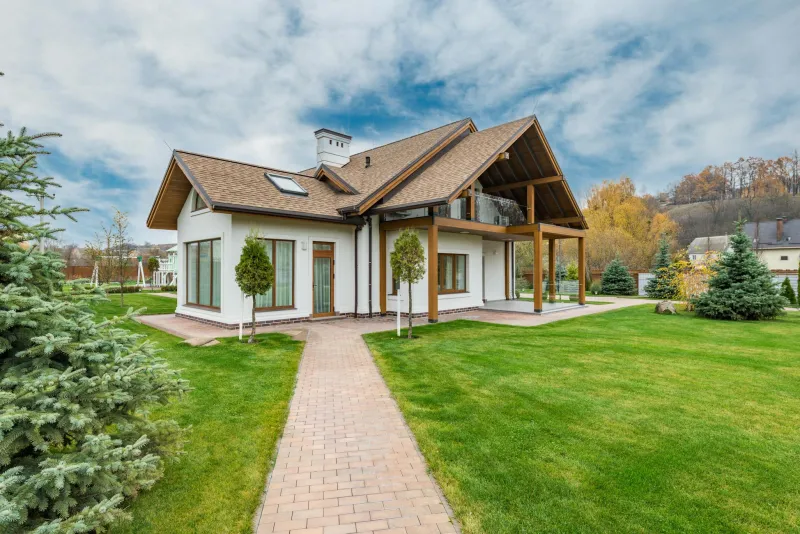
Imagine a home that not only provides comfort and style but also actively contributes to a sustainable future. The concept of energy-efficient home design is rapidly gaining popularity as more people seek to live in harmony with the environment while reducing their energy costs. By integrating eco-friendly solutions and modern green building techniques, homeowners can significantly cut their energy consumption and minimize their carbon footprint. In this guide, we’ll explore innovative ideas for creating a high-efficiency house that is both modern and energy-saving.
Smart Home Efficiency: Harnessing Technology for Sustainability
A cornerstone of sustainable living is smart home efficiency. By leveraging the latest technology, homeowners can monitor and control their energy consumption more effectively than ever before. Smart devices like programmable thermostats, automated lighting systems, and energy-monitoring apps allow you to optimize usage throughout the day. For example, adjusting heating and cooling schedules based on occupancy or sunlight exposure can reduce wasted energy and lower utility bills without sacrificing comfort.
In addition, smart home integration can connect appliances, lighting, and HVAC systems into one cohesive network, allowing for seamless energy management. This not only enhances efficiency but also increases the convenience and functionality of your home.
Sustainable Architecture Trends: Designing for Energy Efficiency
When it comes to environmentally friendly construction, sustainable architecture trends are constantly evolving. Modern architects and builders focus on design elements that naturally maximize energy efficiency. This includes:
- Using sustainable materials like bamboo, reclaimed wood, and recycled metals.
- Implementing passive heating and cooling strategies such as strategic window placement, natural ventilation, and thermal mass.
- Maximizing natural light to reduce reliance on artificial lighting during the day.
These design choices not only reduce energy consumption but also create healthier, more comfortable living spaces. Homes that follow these principles feel brighter, more open, and better connected to the surrounding environment.
Green Building Techniques: Practical Steps to Save Energy
In addition to design, practical green building techniques can dramatically reduce a home's environmental impact. Key strategies include:
- Proper insulation in walls, roofs, and floors to maintain temperature consistency.
- Energy-efficient windows with low-emissivity coatings to minimize heat loss or gain.
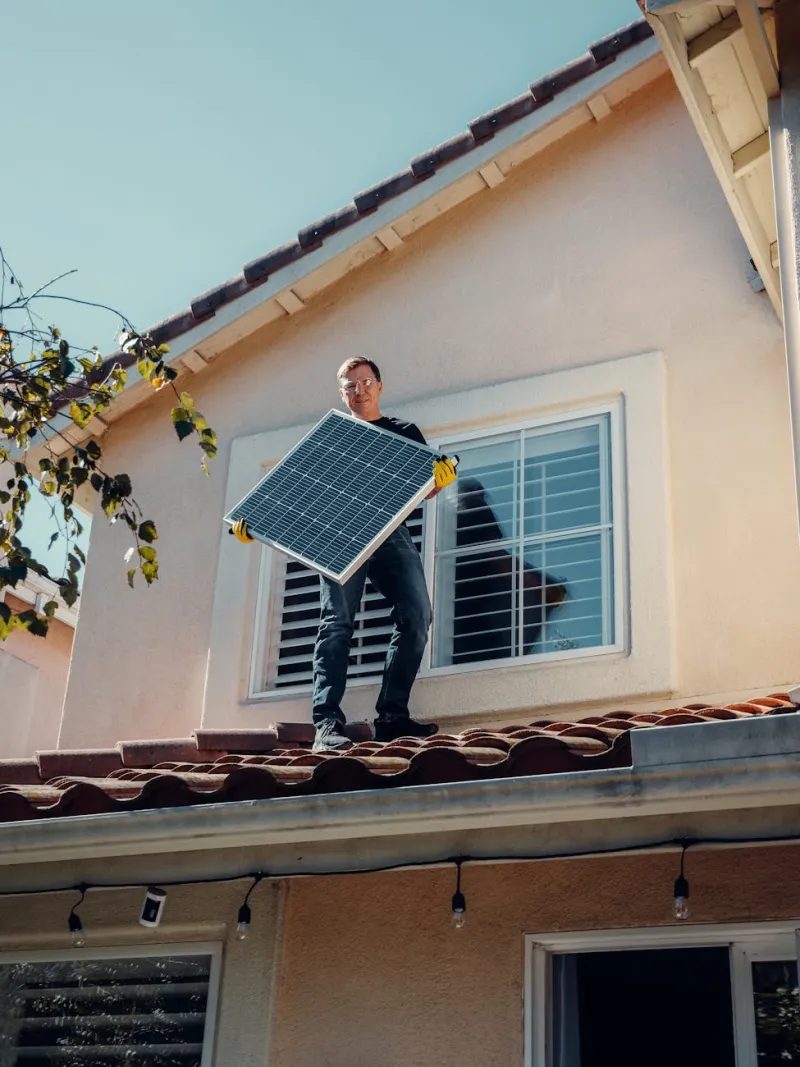
- Renewable energy sources such as solar panels, geothermal systems, or wind energy integration.
- Water-saving technologies including rainwater harvesting and low-flow fixtures.
These features not only help conserve energy but also improve overall home comfort, reducing drafts, maintaining consistent temperatures, and lowering noise levels.
Benefits of High-Efficiency Homes
Investing in a high-efficiency home brings multiple benefits:
- Lower utility bills thanks to reduced energy and water consumption.
- Reduced maintenance costs as modern, energy-efficient systems are often more durable and require less upkeep.
- Environmental responsibility by minimizing your household carbon footprint and supporting sustainable practices.
- Enhanced comfort through better temperature regulation, improved air quality, and natural lighting.
Energy-efficient homes are not just good for the planet—they also make financial sense and provide a higher quality of life for their occupants.
Tips for Building or Renovating an Energy-Efficient Home
Whether you’re constructing a new home or renovating an existing one, prioritizing sustainability during the design process is essential. Consider the following sustainable living tips:
- Plan the layout to take advantage of natural light and passive heating/cooling.
- Choose eco-friendly, low-maintenance materials that reduce environmental impact.
- Integrate smart home technologies for monitoring and optimizing energy usage.
- Invest in renewable energy systems like solar panels or heat pumps.
- Focus on insulation, airtight construction, and energy-efficient windows.
By incorporating these strategies, you can create a home that is not only stylish and functional but also environmentally responsible.
Energy-efficient homes represent the future of living: spaces that combine comfort, cost savings, and sustainability. By designing with energy efficiency in mind, you can enjoy a modern home that contributes to a greener planet while providing long-term financial and lifestyle benefits.