

In this guide6 sections
Flowers, with their exquisite beauty and intricate symbolism, have served as messengers of emotion and meaning throughout human history. Across cultures and civilizations, the language of flowers has woven a rich tapestry of symbolism, conveying sentiments ranging from love and friendship to grief and gratitude. In this comprehensive exploration, we embark on a journey through time and geography to unravel the profound significance of floral symbolism in diverse cultures.
Ancient Origins
The roots of floral symbolism can be traced back to ancient civilizations, where flowers held sacred significance in religious rites, ceremonies, and daily life. In ancient Egypt, for instance, lotus flowers symbolized rebirth and regeneration, while in Greek mythology, the narcissus was associated with the tale of Narcissus and Echo, representing vanity and unrequited love. Across the ancient world, flowers were imbued with meanings that reflected the beliefs, values, and myths of each culture.
Victorian Era
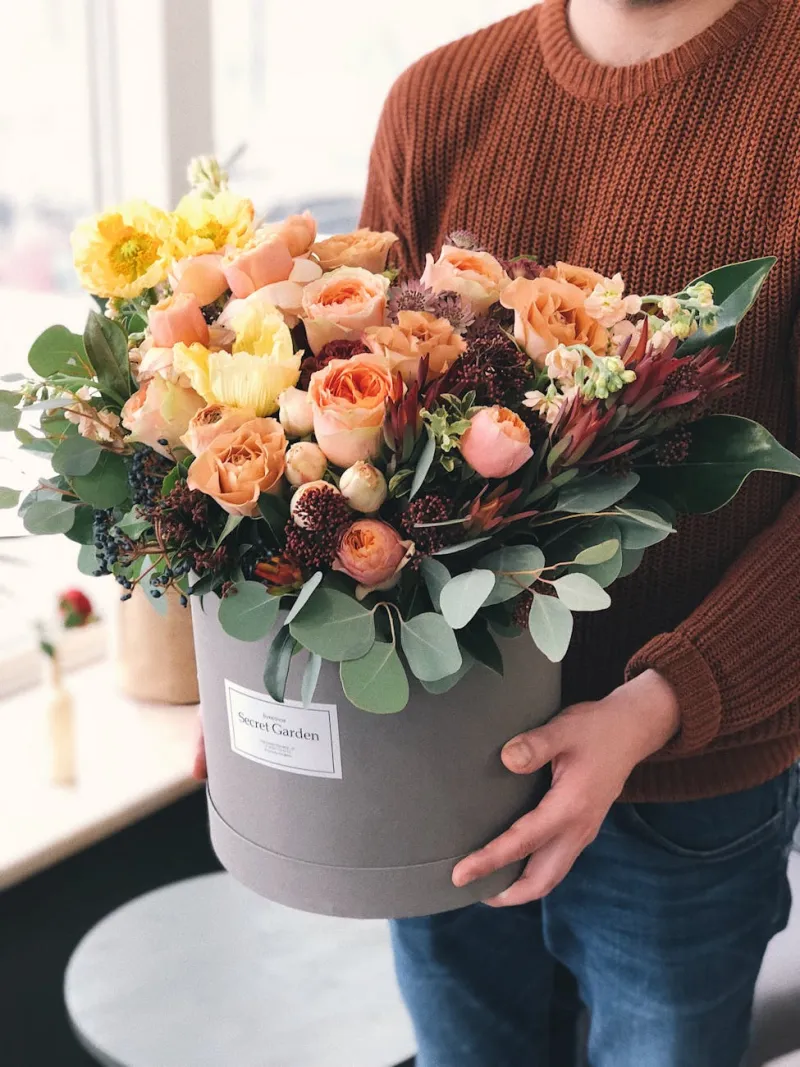
The Victorian era witnessed a resurgence of interest in the language of flowers, reaching its zenith during the 19th century. Inspired by the romantic ideals of the era, Victorians embraced floriography as a means of expressing sentiments that were often left unspoken. Floral arrangements became intricate codes, with each bloom carrying a specific message or emotion. Books and guides on floriography proliferated, offering readers a comprehensive lexicon of floral meanings and associations.
Cross-Cultural Influences
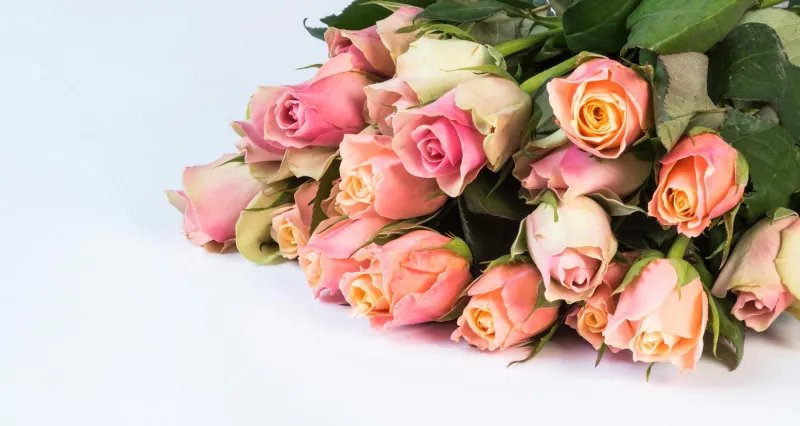
While the language of flowers may have originated in specific cultural contexts, its resonance transcends geographical boundaries. Similar floral symbolism can be found in diverse cultures around the world, albeit with nuanced interpretations. For example, the lotus flower holds spiritual significance in both Hinduism and Buddhism, symbolizing purity, enlightenment, and the journey of the soul. Similarly, the rose, revered for its beauty and fragrance, is universally recognized as a symbol of love and passion.
Modern Interpretations
In the modern era, the language of flowers continues to evolve, adapting to changing social norms and technological advancements. While traditional meanings endure, contemporary interpretations of floral symbolism reflect shifting cultural attitudes and values. Social media platforms and digital communication have given rise to new ways of expressing emotions through virtual bouquets, emojis, and flower-themed GIFs, fostering connections in the digital age.
Cultural Significance
Floral symbolism holds deep cultural significance in many societies, serving as a bridge between the natural world and human experience. In Japan, the art of flower arranging, known as ikebana, embodies principles of harmony, balance, and impermanence, reflecting the aesthetics of Zen Buddhism. Indigenous cultures worldwide incorporate flowers into rituals and ceremonies, honoring ancestors, spirits, and the cycles of nature.
Conclusion
The language of flowers stands as a testament to the enduring power of nature to inspire, uplift, and communicate across cultures and generations. As we navigate the complexities of human emotions and relationships, flowers remain steadfast symbols of beauty, resilience, and interconnectedness. By embracing the rich tapestry of floral symbolism, we honor the timeless legacy of the language of flowers and its capacity to transcend language, culture, and time.