


In this guide11 sections
The landscape of trading is rapidly evolving, driven by advancements in technology and shifting market dynamics. As we look ahead, several key trends and innovations are poised to shape the future of trading, influencing how investors interact with financial markets and manage their portfolios.
1.Artificial Intelligence (AI) and Machine Learning
AI and machine learning are revolutionising trading strategies by analysing vast amounts of data at speeds far beyond human capability. These technologies enable algorithmic trading, where computers execute trades based on predefined criteria and market conditions. AI-driven trading algorithms can identify patterns, predict market movements, and optimise trading decisions in real-time, offering traders a competitive edge.
2.Blockchain and Cryptocurrencies
Blockchain technology, best known for its role in cryptocurrencies like Bitcoin and Ethereum, is reshaping trading infrastructure. Blockchain offers secure, transparent, and decentralised transaction systems, reducing the need for intermediaries in financial transactions. Cryptocurrencies, as digital assets, introduce new trading opportunities and challenges, attracting both retail and institutional investors seeking alternative investment avenues.
3.High-Frequency Trading (HFT)
High-frequency trading utilises powerful computers and algorithms to execute a large number of trades at incredibly high speeds. This trading strategy leverages minimal price discrepancies and market inefficiencies, generating profits in milliseconds. HFT has become a significant force in global financial markets, contributing to liquidity and market efficiency while raising debates about fairness and market integrity.
4.Mobile Trading and Accessibility
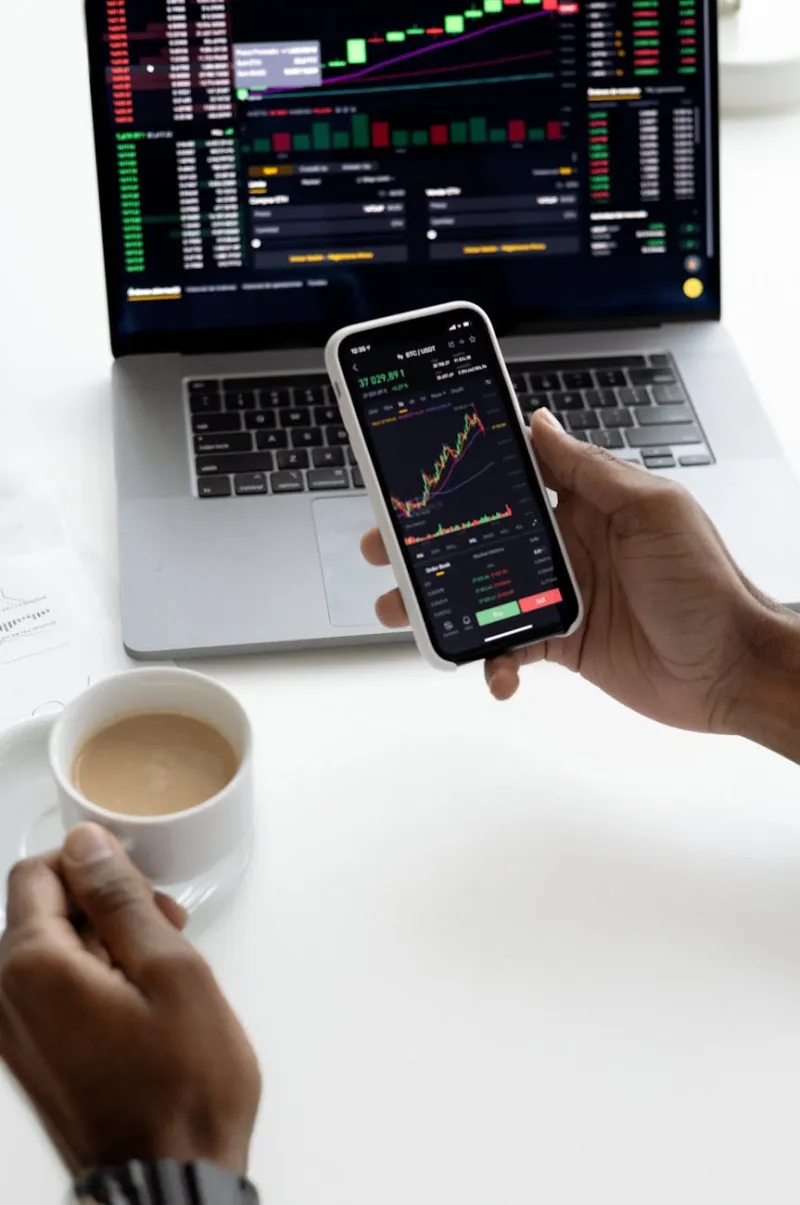
The proliferation of smartphones and mobile apps has democratised trading, allowing individuals to access markets anytime, anywhere. Mobile trading platforms offer real-time market data, news updates, and trading functionalities, empowering retail investors to trade stocks, forex, and cryptocurrencies with ease. This trend towards mobile trading continues to expand, influencing how investors monitor portfolios and execute trades on the go.
5.Robo-Advisors and Automated Investing
Robo-advisors are digital platforms that use algorithms to provide automated investment advice and portfolio management services. These platforms analyse investor preferences, risk tolerance, and financial goals to offer personalised investment strategies. Robo-advisors are gaining popularity for their low fees, convenience, and ability to rebalance portfolios automatically, appealing to tech-savvy investors seeking efficient and hands-off investment solutions.
6.Regulatory Developments and Compliance
As trading technologies advance, regulatory frameworks evolve to address new challenges and risks. Regulatory bodies worldwide are adapting to the complexities of AI-driven trading algorithms, blockchain-based assets, and cybersecurity threats. Compliance with regulatory requirements remains crucial for market participants to ensure transparency, investor protection, and the integrity of financial markets.
7.Environmental, Social, and Governance (ESG) Investing
ESG considerations are increasingly influencing trading decisions, with investors prioritising sustainability and ethical practices. ESG investing integrates environmental, social, and governance criteria into investment strategies, promoting responsible corporate behaviour and long-term value creation. As demand for ESG-compliant investments grows, financial markets are adapting to accommodate these preferences and drive positive societal impact.
8.Data Analytics and Predictive Insights
Data analytics play a pivotal role in trading strategies, providing actionable insights from vast datasets to inform investment decisions. Advanced analytics techniques, such as predictive modelling and sentiment analysis, help traders assess market sentiment, identify trends, and anticipate market movements. By harnessing big data and analytics, traders gain a competitive advantage in understanding market dynamics and making informed trading choices.
9.Globalisation and Cross-Border Trading
Globalisation continues to facilitate cross-border trading, enabling investors to access international markets and diversify their portfolios. Technology-driven platforms and trading infrastructures support seamless transactions across borders, reducing trading barriers and expanding investment opportunities. Cross-border trading fosters market liquidity, enhances price discovery, and promotes economic integration on a global scale.
10.Cybersecurity and Risk Management
As trading becomes increasingly digitised, cybersecurity and risk management are paramount concerns for market participants. Protecting sensitive financial data, mitigating cyber threats, and ensuring the resilience of trading platforms are critical priorities. Robust cybersecurity measures, including encryption, authentication protocols, and incident response plans, safeguard against cyber attacks and uphold trust in financial markets.
Conclusion
The future of trading is shaped by innovation, technology, and evolving market dynamics. From AI-driven algorithms to blockchain-based assets and mobile trading platforms, these trends redefine how investors engage with financial markets and manage their investments. As technological advancements continue to accelerate, embracing these trends empowers traders to navigate complexities, seize opportunities, and adapt to a dynamic trading landscape. Embracing these technologies and trends will empower traders to navigate complexities, seize opportunities, and adapt to a dynamic trading landscape.