


In this guide5 sections
Workwear has come a long way over the years, transitioning from purely practical attire to stylish and functional clothing that reflects modern trends. The evolution of workwear showcases a shift in focus from just durability and utility to encompassing elements of fashion and personal style. Let's delve into the history of workwear and explore how it has transformed into the versatile and fashion-forward clothing we see today.
Early Days: Focus on Practicality
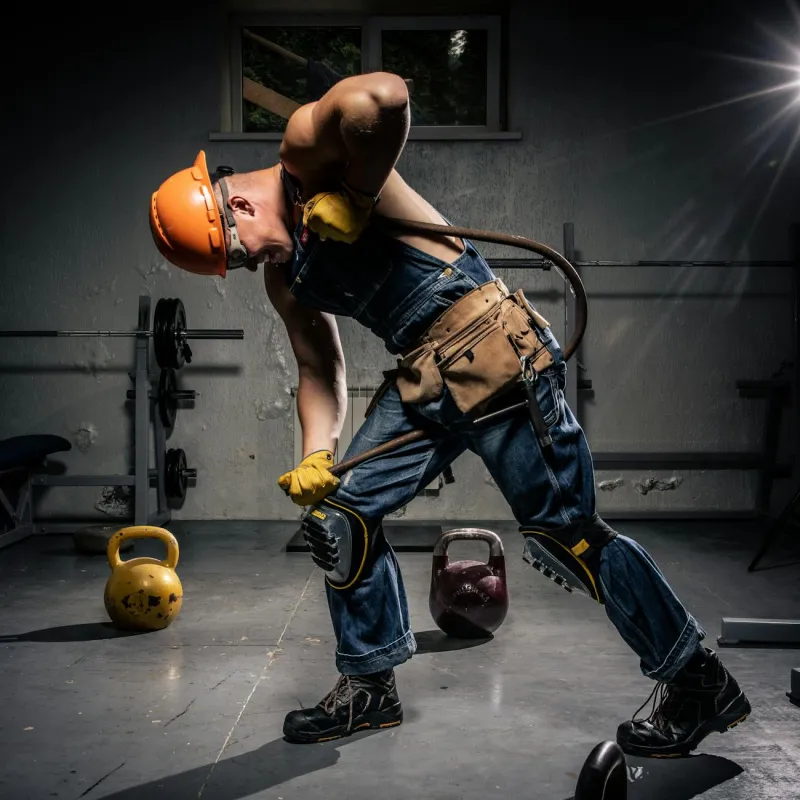
The workwear evolution dates back to the early days when functionality and durability were the primary considerations. In the past, work clothing was designed to withstand the rigors of strenuous labor and provide protection to workers in various industries. The emphasis was on practicality rather than style, with garments like overalls, coveralls, and heavy-duty jackets dominating the workwear landscape.
Practical workwear was essential for workers in sectors such as manufacturing, construction, and agriculture, where rugged clothing that could endure demanding work conditions was crucial. Fabrics like denim and canvas were commonly used for their sturdiness, while reinforced stitching and additional pockets added to the functionality of workwear garments. Uniform styles emerged to create a sense of unity among workers and foster a professional image within companies.

The Integration of Fashion
As the workplace evolved, so did workwear styles. The integration of fashion into work clothing paved the way for stylish workwear that blended functionality with aesthetic appeal. Designers began to infuse modern trends and innovative designs into workwear, creating a new category of garments that could seamlessly transition from the workplace to social settings. Workwear fashion became a symbol of professionalism and sophistication, with tailored silhouettes, sleek finishes, and fashionable details redefining traditional work attire.
Modern Workwear Trends
Today, modern workwear trends encompass a diverse range of styles that cater to different industries and individual preferences. From tech-savvy professionals to creative artists, the evolution of workwear has led to the emergence of versatile clothing options that prioritize comfort, performance, and style. Innovative fabrics that offer breathability and stretchability have replaced the traditional heavy materials, while ergonomic designs and functional details enhance the overall wearability of workwear garments.
Fashion Meets Function
Workwear fashion continues to evolve, with designers pushing the boundaries of traditional work clothing to create pieces that are both functional and fashionable. The integration of technology into fabrics, such as moisture-wicking properties and UV protection, has made modern workwear more adaptable to different work environments. From tailored blazers and structured pants to comfortable knit sweaters and chic accessories, the possibilities for stylish work attire are endless.
Conclusion: A Transformative Journey
Reflecting on the history of work clothing and its progression into the realm of fashion, it is clear that workwear has undergone a significant transformation over the years. The fusion of practicality, durability, and style has shaped the modern workwear landscape, offering individuals a multitude of options to express their personal tastes while maintaining a professional demeanor. Whether it's a classic work uniform style or a contemporary fashion-forward look, workwear continues to play a vital role in defining how we present ourselves in the workplace.