

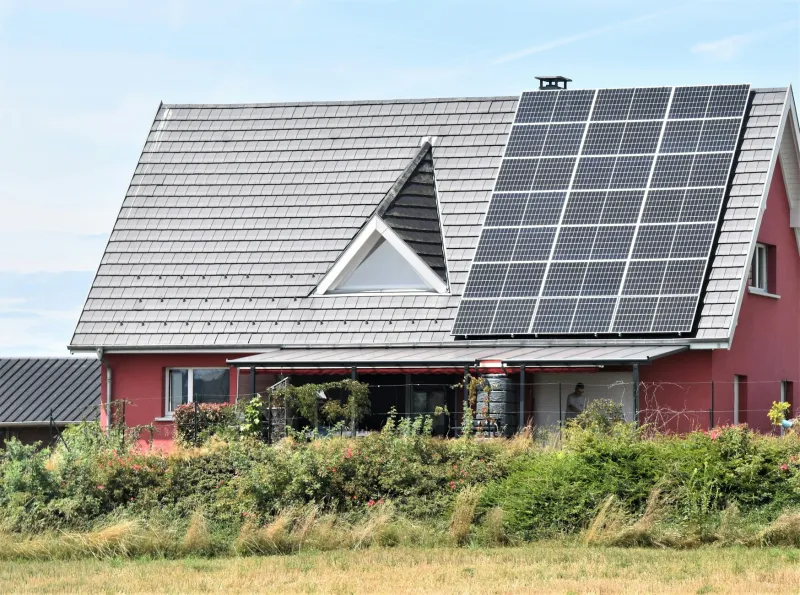
Creating a more energy-efficient home not only helps reduce our environmental impact but also leads to significant cost savings on energy bills. By incorporating simple energy-saving tips and making conscious decisions to improve our home energy efficiency, we can move towards a more sustainable and eco-friendly lifestyle.
Here are some practical ideas to help you reduce energy bills and create a greener, more efficient home:
1. Upgrade to Energy-Efficient Appliances: Investing in energy-efficient appliances can lead to substantial savings in the long run. Look for the ENERGY STAR label when purchasing new appliances such as refrigerators, washing machines, and televisions. These appliances are designed to consume less electricity without compromising on performance.
2. Optimize Heating and Cooling Systems: Proper maintenance of heating and cooling systems is essential for optimal energy efficiency. Regularly clean or replace air filters, seal ducts to prevent air leaks, and consider installing a programmable thermostat to regulate temperature settings based on your schedule.
3. Harness Natural Light: Take advantage of natural light during the day to minimize the use of artificial lighting. Keep windows unobstructed and use light-colored curtains to allow sunlight to brighten up your living spaces. Consider installing skylights or sun tunnels for additional natural light.
4. Seal Air Leaks: Inspect doors, windows, and other potential air leak areas in your home for gaps and cracks. Seal leaks with weather stripping or caulking to prevent heat loss during winter and maintain coolness during summer. Proper insulation can significantly lower energy consumption.
5. Unplug Electronics When Not in Use: Many electronics consume energy even when turned off but still plugged in. Unplug chargers, appliances, and devices when not in use to eliminate standby power consumption. Consider using power strips to easily disconnect multiple devices at once.
6. Embrace Energy-Saving Lighting: Replace traditional incandescent bulbs with energy-efficient LED or CFL bulbs. These options last longer, use less electricity, and produce less heat, making them a cost-effective choice for lighting your home. Consider installing dimmer switches for customizable lighting levels.
7. Utilize Smart Energy Solutions: Explore smart home technologies that can help you monitor and control energy usage more efficiently. Smart thermostats, lighting systems, and power outlets enable you to adjust settings remotely and track consumption patterns to identify areas for improvement.
8. Practice Water Conservation: Conserving water also contributes to energy savings, as energy is used to pump, treat, and heat water. Fix leaks in faucets and toilets, take shorter showers, and consider installing low-flow fixtures to reduce water usage. Collect rainwater for outdoor tasks to further minimize water consumption.
By incorporating these energy-saving tips and adopting sustainable practices, you can create a greener, more efficient home while lowering your energy bills. Making small changes in your daily habits and upgrading to energy-efficient solutions can have a positive impact on the environment and contribute to a more sustainable way of living.