

In this guide7 sections
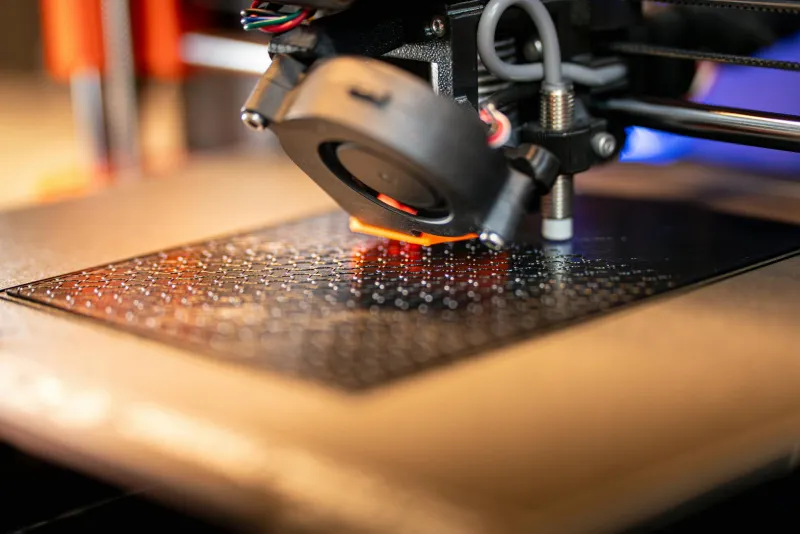
3D printing, also known as additive manufacturing, is transforming the way products are designed, developed, and produced. Unlike traditional manufacturing methods that rely on subtractive processes, 3D printing builds objects layer by layer, offering unprecedented flexibility, speed, and customisation. This technology is rapidly shaping the future of manufacturing across industries, from automotive and aerospace to healthcare and consumer goods.
Revolutionising Product Design
One of the most significant impacts of 3D printing is on product design. Designers and engineers can now create complex geometries that were previously impossible with traditional methods. Lightweight structures, intricate internal channels, and highly customised components can be produced with ease. Rapid prototyping allows teams to iterate designs quickly, reducing development time and cost.
Tip: Companies can test multiple prototypes in days instead of weeks, enabling faster product launches and more innovative solutions.
Cost Efficiency and Waste Reduction
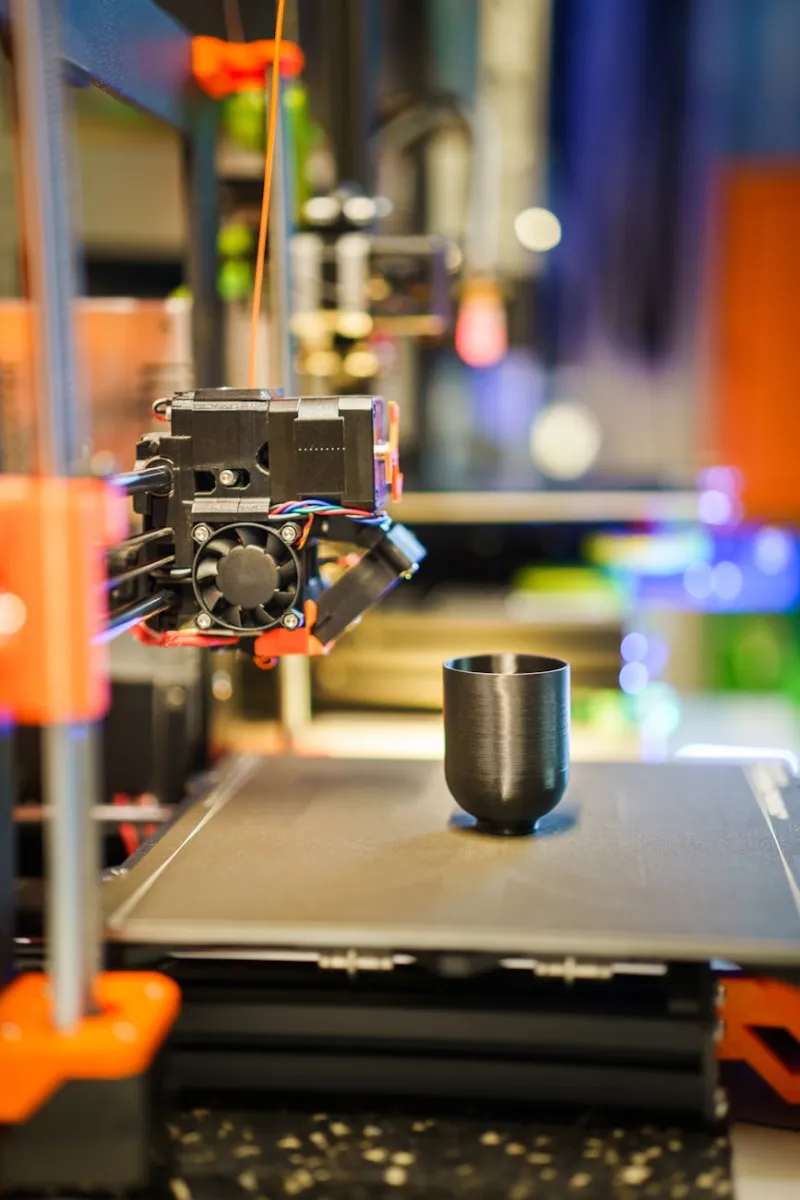
Traditional manufacturing often involves large-scale production runs and material wastage due to cutting and shaping. 3D printing minimises waste by using only the material needed to build the part. Additionally, it enables on-demand production, reducing inventory costs and storage requirements. This makes manufacturing more sustainable and economically efficient.
Example: Aerospace companies are 3D printing lightweight parts for aircraft, reducing both material usage and fuel consumption.
Customisation and Personalisation
3D printing allows for a level of customisation that is difficult to achieve with mass production. From medical implants tailored to a patient’s anatomy to personalised consumer products, manufacturers can meet individual needs without significant cost increases. This flexibility opens new business models and customer experiences.
Speed and Accessibility
Additive manufacturing shortens the time from concept to production. With 3D printing, small batches can be produced rapidly without the need for expensive moulds or tooling. This democratises manufacturing, allowing startups and smaller companies to compete with established players by bringing innovative products to market faster.
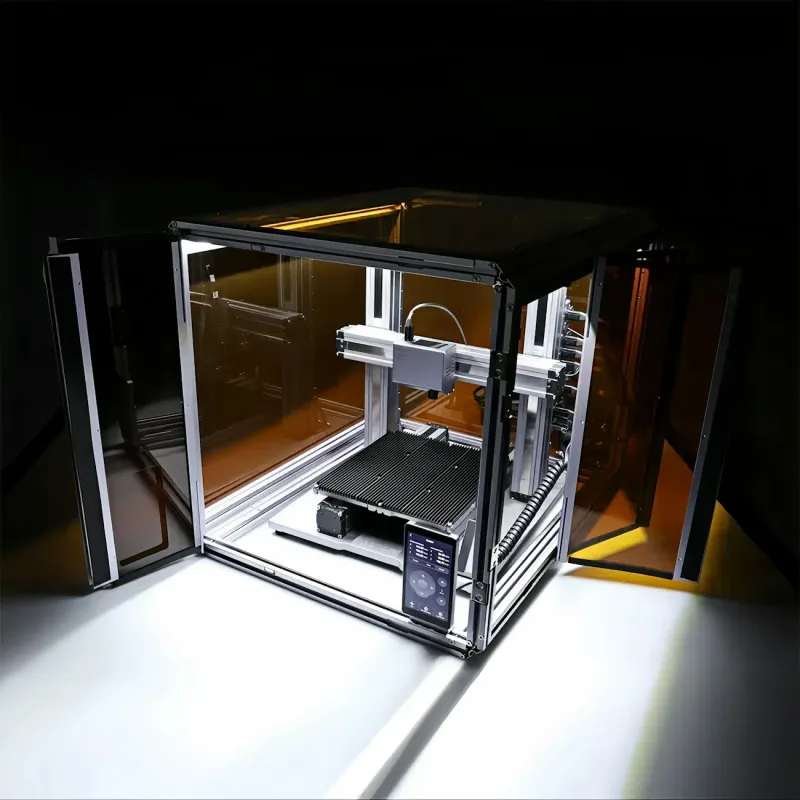
Tip: Desktop 3D printers and online printing services make prototyping and small-scale production accessible to individuals and small businesses worldwide.
Technological Innovations
The 3D printing industry is continually evolving. New materials, from advanced polymers to metals and bio-inks, expand the range of applications. Hybrid manufacturing, combining additive and traditional methods, enables high-performance production. Automation and AI-driven design software further enhance precision, efficiency, and scalability.
Example: In healthcare, 3D printing is used to create surgical models, prosthetics, and even organ scaffolds, revolutionising patient care.
Challenges and Future Outlook
Despite its advantages, 3D printing faces challenges. High initial equipment costs, material limitations, and regulatory concerns in critical industries can slow adoption. However, ongoing research, falling costs, and increasing expertise are rapidly addressing these barriers.
The future of manufacturing is moving towards a hybrid model where 3D printing complements traditional methods, enabling smarter, faster, and more sustainable production. Businesses that embrace additive manufacturing will have a competitive edge in innovation, customisation, and operational efficiency.
Conclusion
3D printing is not just a new tool—it’s a paradigm shift in manufacturing. By enabling rapid prototyping, reducing waste, allowing customisation, and accelerating production, it is reshaping the industry. As technology advances, additive manufacturing will play an increasingly central role in creating the products of tomorrow, making the future of manufacturing more innovative, flexible, and sustainable.