

In this guide6 sections
Whether you are a seasoned angler or just starting out, fishing adventures can be an incredibly rewarding experience that offers much more than just a chance to catch fish. From the thrill of feeling a tug on your line to the peaceful serenity of being surrounded by water and nature, fishing provides a unique escape from the hustle and bustle of everyday life. It’s a chance to slow down, reconnect with nature, and experience moments of quiet reflection. Whether you are fishing alone or with friends and family, these outings create lasting memories and a deep appreciation for the art and patience of angling. To make the most of your fishing expeditions, here are some essential tips and insights to keep in mind:
Fishing Tips for Beginners
If you are new to fishing, the best approach is to start slowly and focus on learning the fundamentals. Begin by familiarizing yourself with the different types of fishing techniques, such as bait casting, spinning, fly fishing, and trolling. Each method has its own nuances and is suited for specific conditions and types of fish, so understanding the basics is crucial.
Practice is key: before heading to the water, spend some time honing your casting skills in an open area, such as a park or backyard. Experiment with different casting distances, angles, and techniques to build confidence. Remember, patience is one of the most important qualities for any angler. Fish don’t always bite on the first try, and sometimes the most rewarding catches come after hours of waiting, observation, and adjustment.
Choosing the Right Equipment
Having the proper fishing equipment is crucial for a successful and enjoyable fishing trip. Your gear can make a huge difference in your overall experience. Start by determining whether you will fish in freshwater or saltwater, as the requirements differ. Freshwater fishing, for example, may require lighter rods and smaller lures, while saltwater fishing often demands heavier, corrosion-resistant gear.
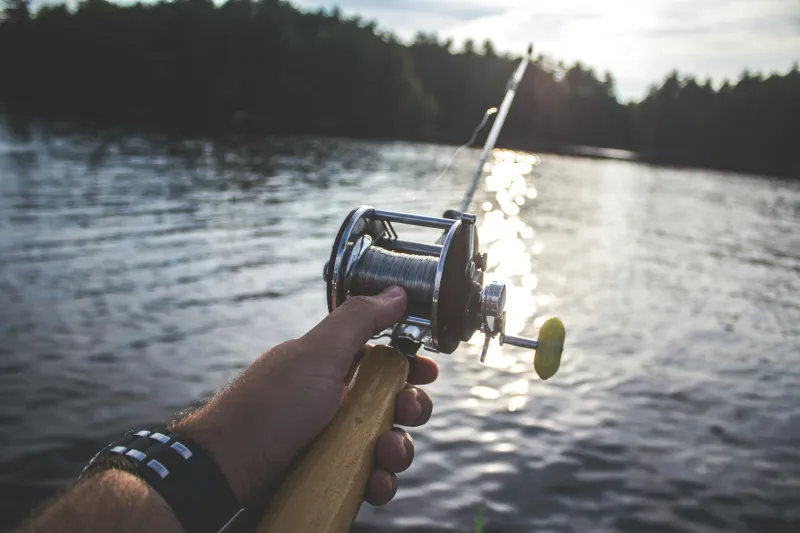
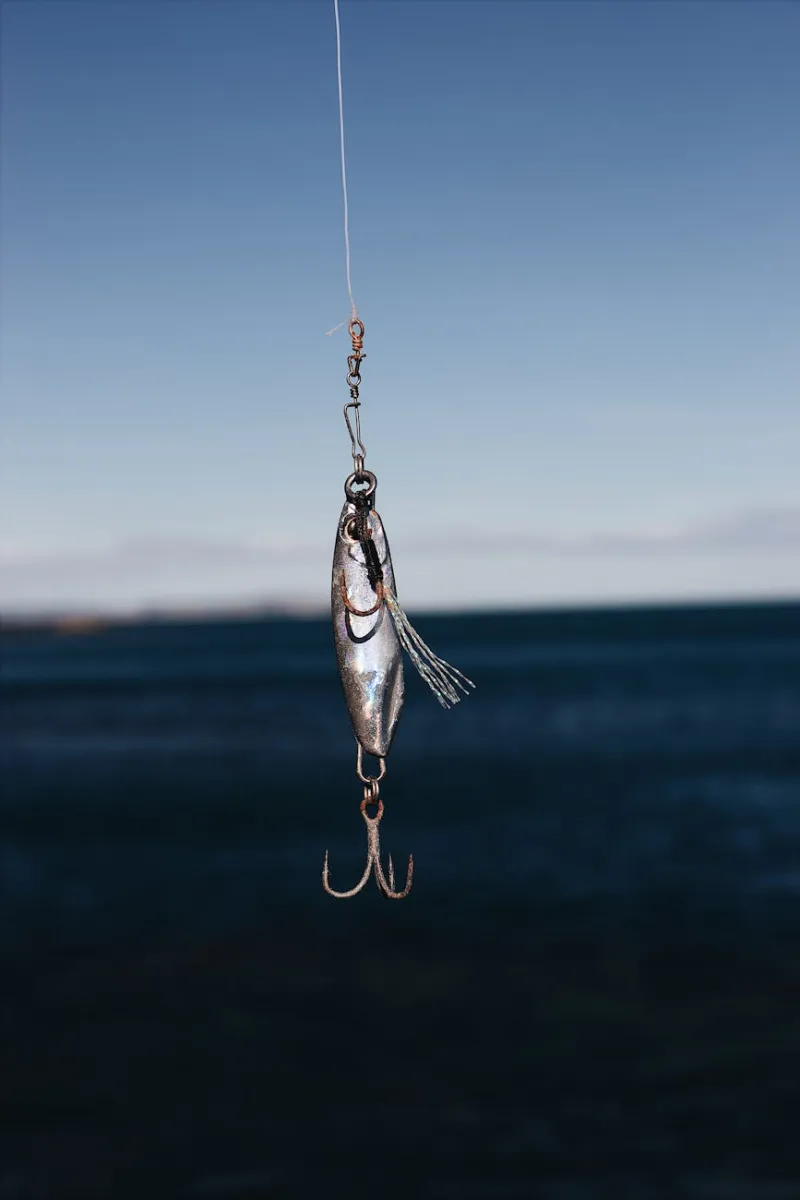
Essential equipment includes fishing rods, reels, lines, hooks, sinkers, bobbers, and lures. Additionally, items like a tackle box, pliers, a fishing net, and even polarized sunglasses can make your trip more efficient and comfortable. Investing in high-quality equipment suited to your fishing style and budget will not only improve your chances of a successful catch but also enhance your overall enjoyment on the water.
Location, Location, Location
One of the most important factors in a successful fishing adventure is choosing the right location. Research local fishing hotspots, seasonal fishing reports, and popular areas for the type of fish you are targeting. Consider hiring a local guide if you are exploring a new region, as they can provide valuable insights on fish behavior, tides, and hidden spots.
The type of water you choose—whether a tranquil freshwater lake, a flowing river, or the vast open ocean—can dramatically affect your fishing experience. Lakes and ponds often offer calm and scenic settings perfect for relaxation, while rivers provide moving water that challenges your technique, and saltwater environments offer the excitement of bigger catches and diverse species. Scouting your location ahead of time ensures you are prepared and increases your chances of success.
Understanding Fishing Techniques
Each fishing method has its own set of techniques and strategies to maximize your chances of landing a catch. For instance, jigging involves using a weighted lure to attract fish near the bottom, trolling requires dragging lures behind a moving boat, and fly fishing uses lightweight lures designed to mimic insects.
Learning when and where each technique is most effective is essential. Experimenting with different bait types, lures, and fishing depths can help you discover what works best in specific conditions. Observing fish behavior, water temperature, and seasonal patterns can also provide valuable clues. Over time, this knowledge will allow you to adapt quickly and improve your overall success rate.
Respecting the Environment
Responsible anglers understand the importance of protecting the environment and practicing sustainable fishing habits. Always follow catch-and-release guidelines whenever possible, especially for vulnerable species. Dispose of trash properly, avoid damaging vegetation, and respect local wildlife.
It’s also crucial to stay informed about local fishing regulations, including size limits, seasonal restrictions, and licensing requirements. By practicing responsible fishing, you help preserve the ecosystem and ensure that future generations can enjoy the same natural beauty and fishing opportunities that you experience today.
Making the Most of Your Fishing Adventures
Fishing is more than just a sport; it’s an opportunity to connect with nature, sharpen your skills, and enjoy a sense of accomplishment. Whether you are waiting patiently for a bite, exploring new waters, or sharing the excitement of a catch with friends, every fishing trip is a chance to create lasting memories.
By following these tips—starting with the basics, choosing the right gear, picking the perfect location, mastering different techniques, and respecting the environment—you can elevate your fishing experiences to a new level. So pack your tackle, head out to your favorite fishing spot, and embrace the adventure that awaits. The water is calling, and with patience, preparation, and a love for the sport, your next fishing trip can be unforgettable.